

Kenya
The soul of African wilderness!!
Where endless plains meet untamed wilderness
A destination of remarkable variety, where open savannahs, private conservancies, mountain landscapes, remote northern frontiers and Indian Ocean coastlines come together within a single journey. Its diversity is what makes travel here so compelling — allowing wildlife, culture and landscape to be experienced in many different ways, often within one thoughtfully designed itinerary.
Most journeys begin in Nairobi, East Africa's primary safari gateway, with international connections from Europe, the Middle East, Asia and beyond.
From Nairobi, Kenya’s safari regions are accessed by a combination of scheduled bush flights and private charters, often making even remote conservancies surprisingly seamless to reach.
Much of what makes Kenya exceptional lies in its conservancy model...
Beyond national parks, private and community conservancies have helped create a different kind of safari, one defined by exclusivity, lower-impact tourism, meaningful conservation and greater flexibility in how the wild can be experienced.
These protected landscapes often allow for experiences beyond traditional game drives, including walking safaris, night game drives, off-road wildlife viewing and closer engagement with both conservation efforts and local communities. It is this balance of remarkable wildlife, protected landscapes and pioneering conservation that has made Kenya one of Africa’s most enduring safari destinations.
Iconic places of Kenya
Masai Mara National Reserve
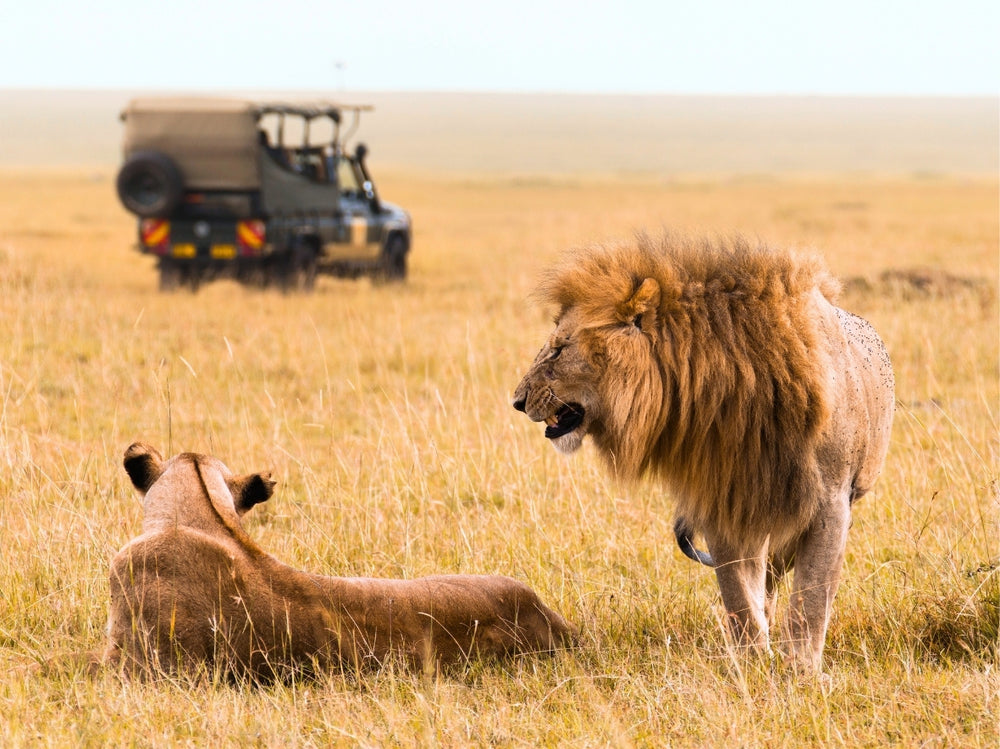
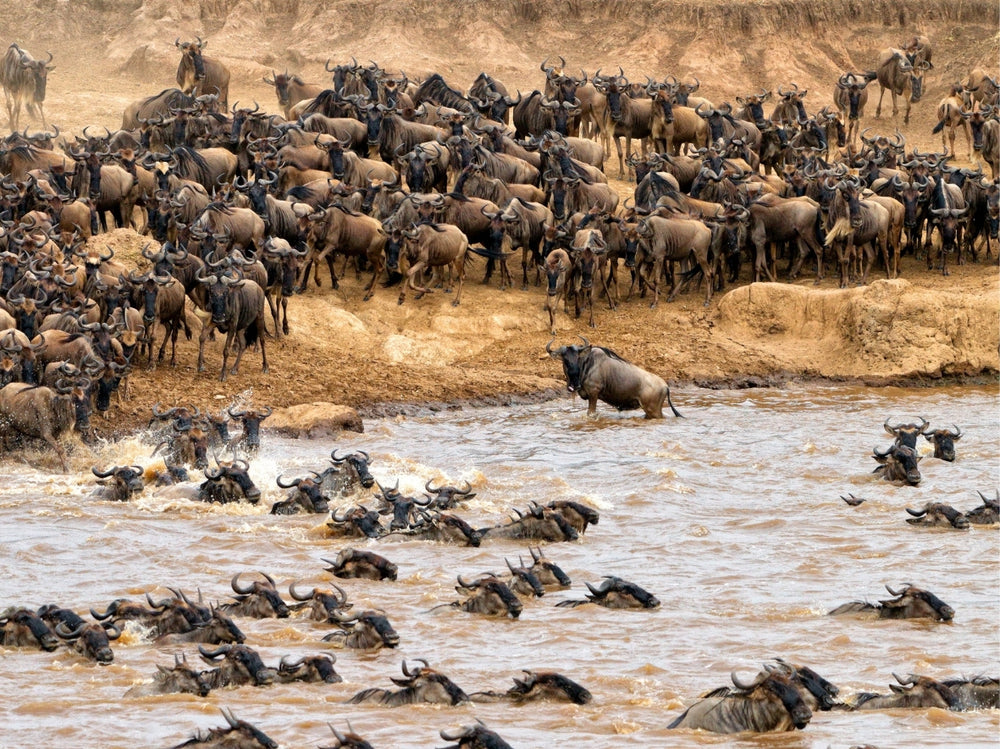
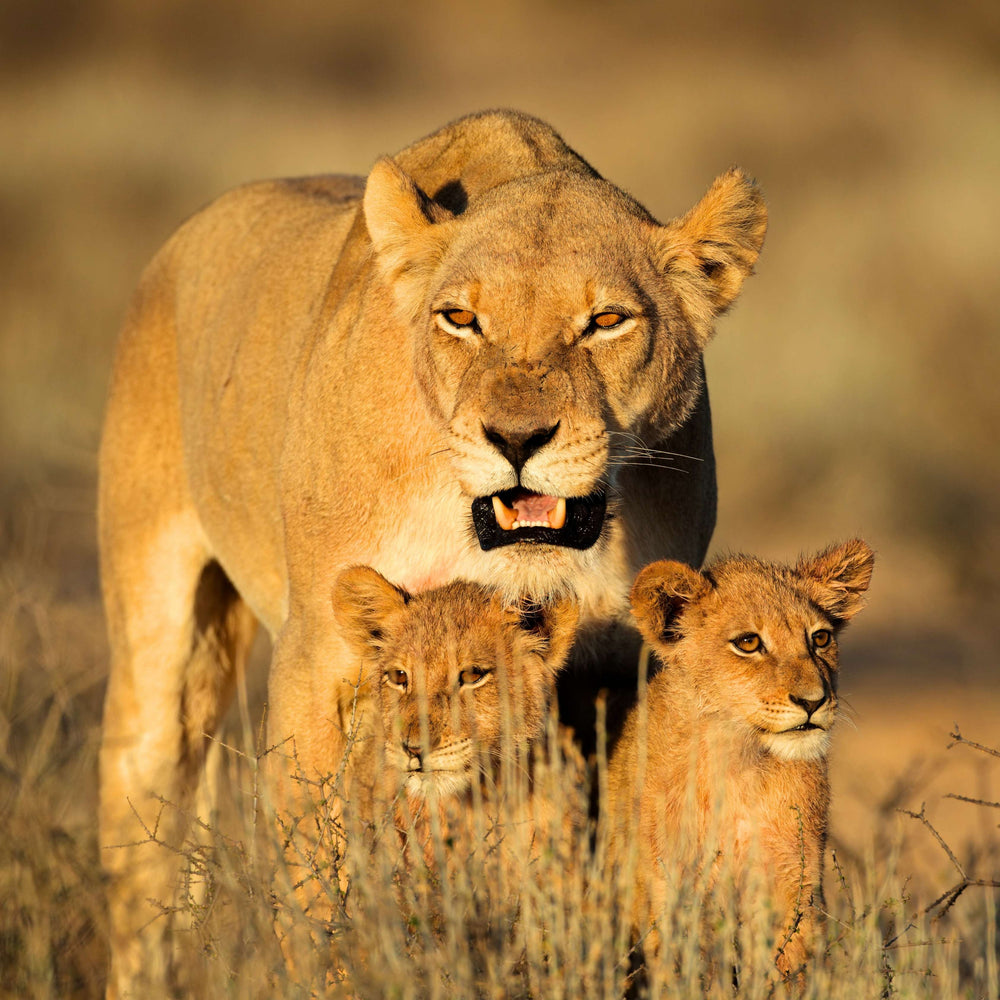
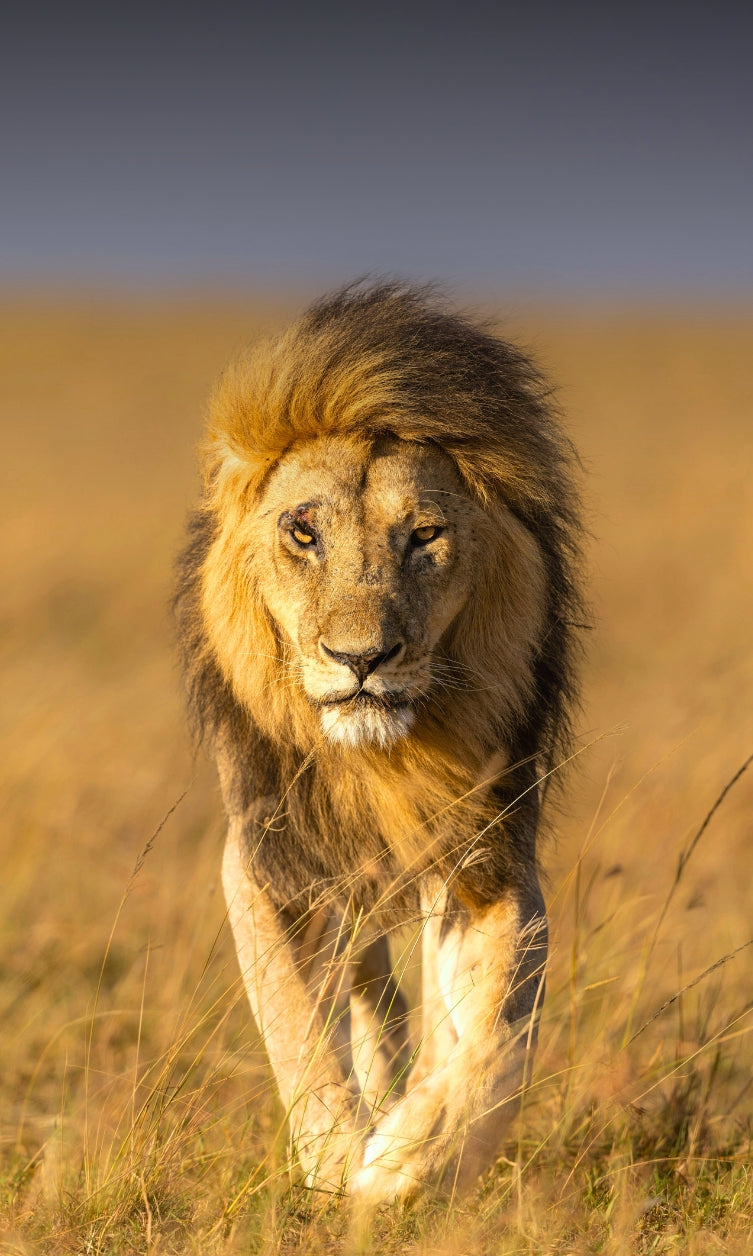
Kenya’s most celebrated wilderness, the Masai Mara is where raw drama unfolds across endless golden plains. Known for the Great Migration, where millions of wildebeest and zebras move in a relentless cycle of survival, it offers some of Africa’s most thrilling wildlife encounters.
The reserve is also home to the Big Five, high predator density and exceptional year-round game viewing, making every drive feel cinematic and alive.
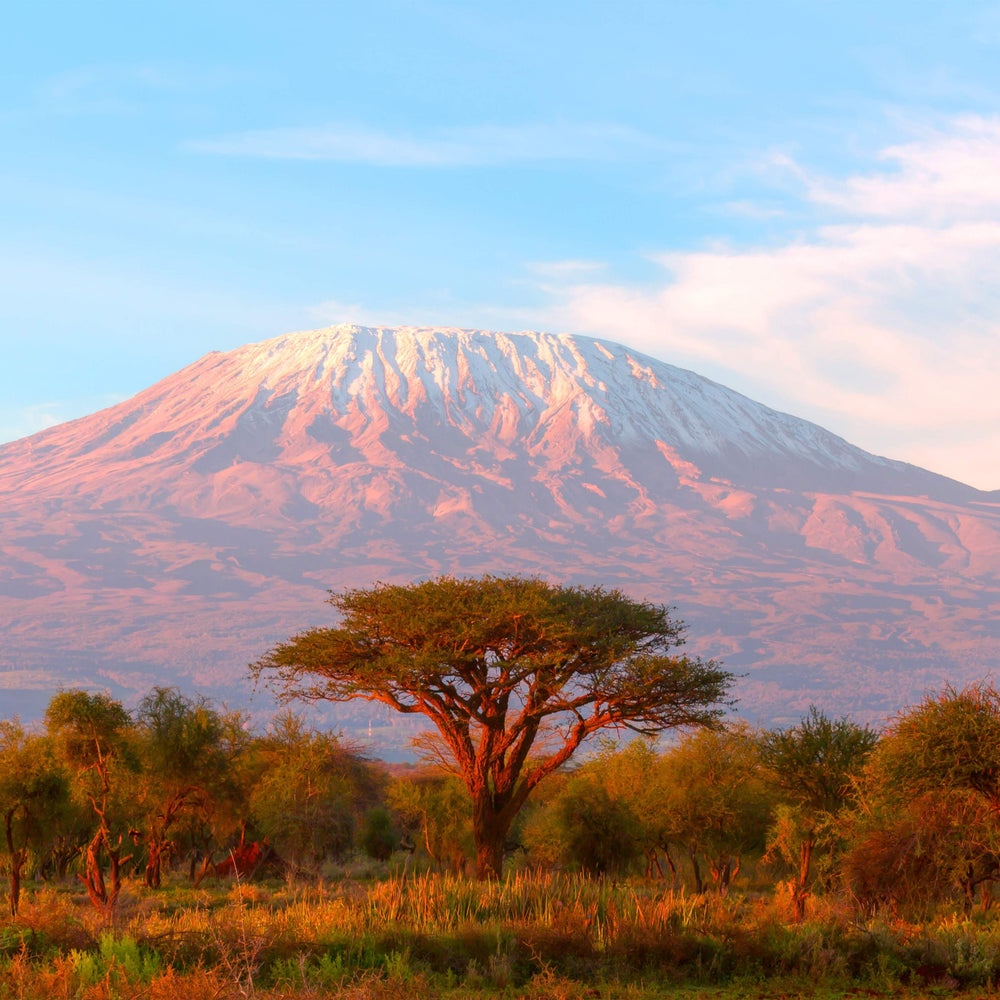
Amboseli National park
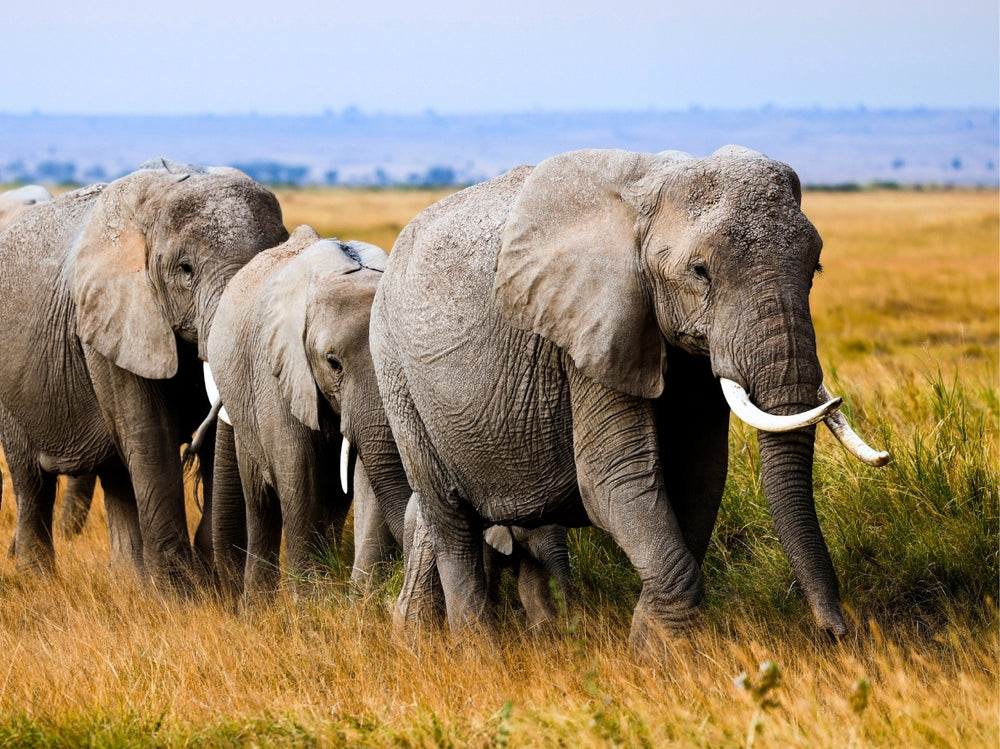
Set against the towering backdrop of Mount Kilimanjaro, Amboseli is one of the most visually striking landscapes in Africa. It is famed for its large herds of elephants, often seen walking gracefully across open plains with snow-capped peaks behind them.
The park’s swamps and wetlands attract diverse birdlife and wildlife, offering incredible photographic opportunities in a setting that feels both vast and intimate.
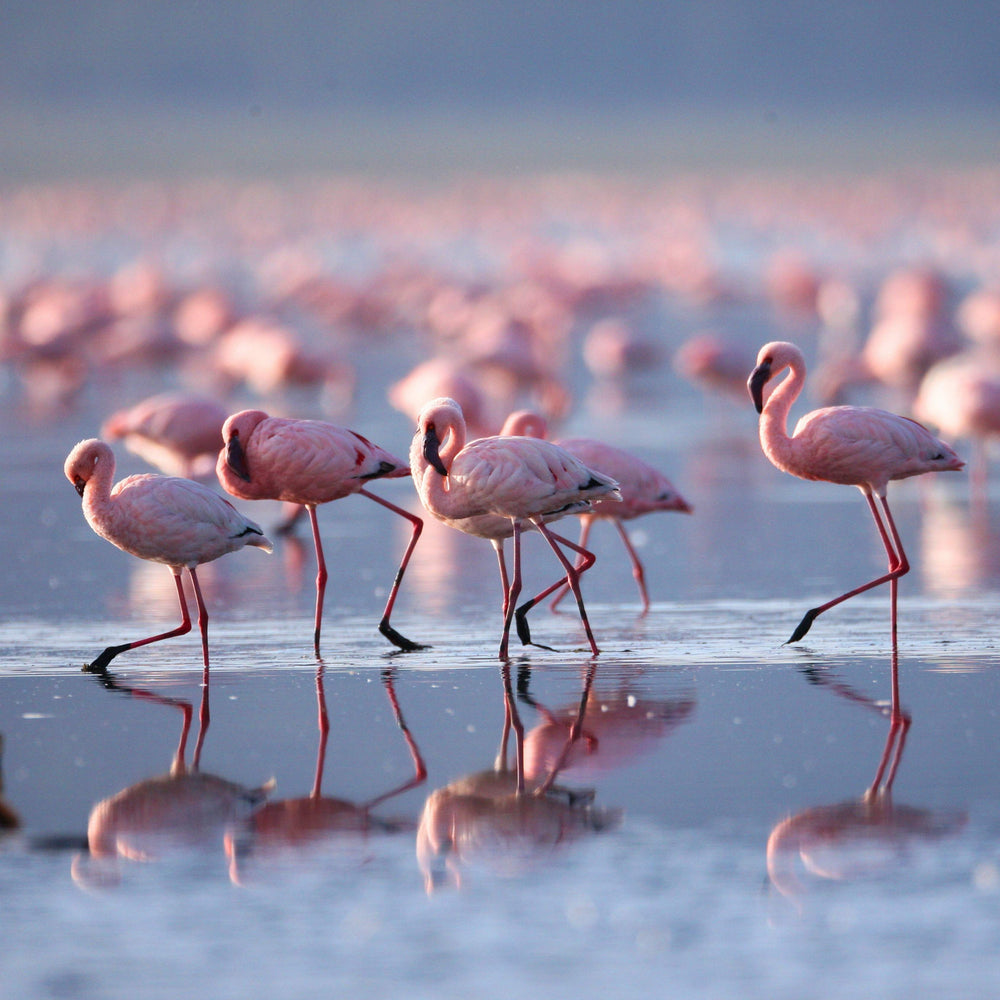
Lake Nakuru National Park
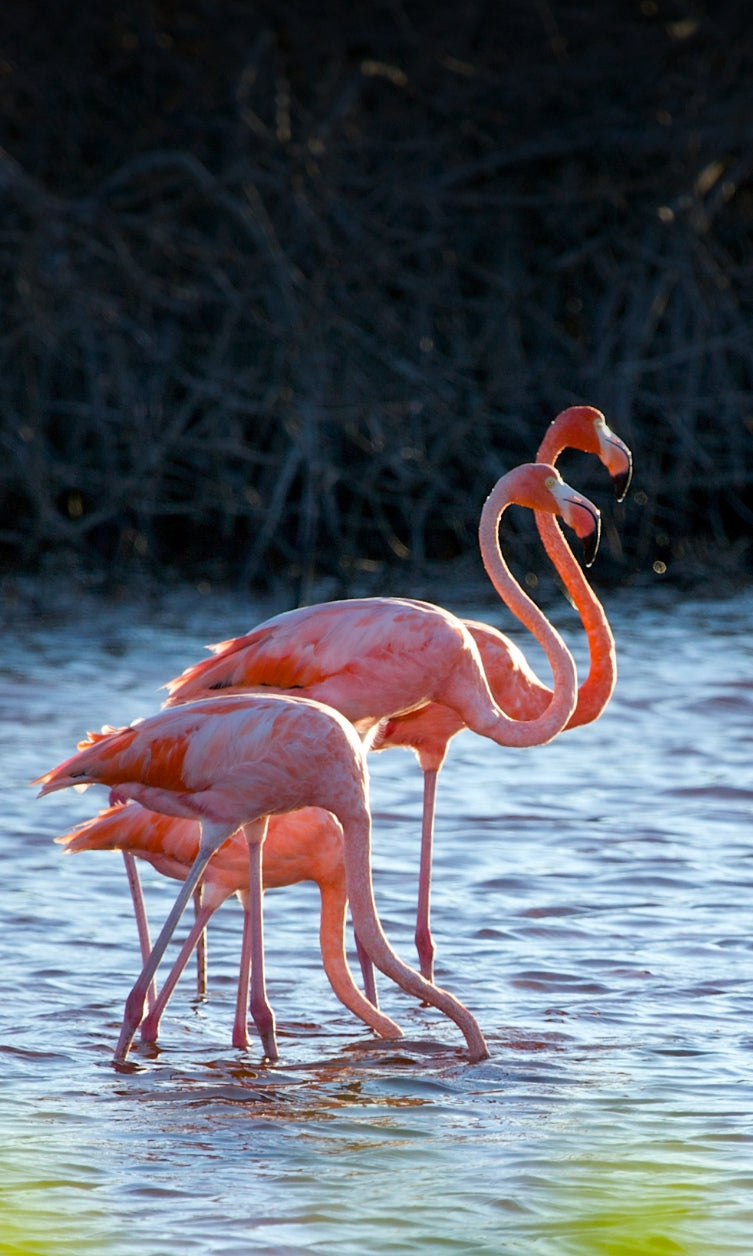
A classic Kenyan safari destination, Lake Nakuru is known for its shimmering alkaline lake and thriving ecosystem. Once famous for its vast flamingo flocks, it continues to host an impressive array of birdlife alongside rhinos, lions, and elusive leopards.
The park’s compact size allows for rewarding game drives, where forest, grassland, and lakeshore habitats blend seamlessly into one rich wildlife experience.
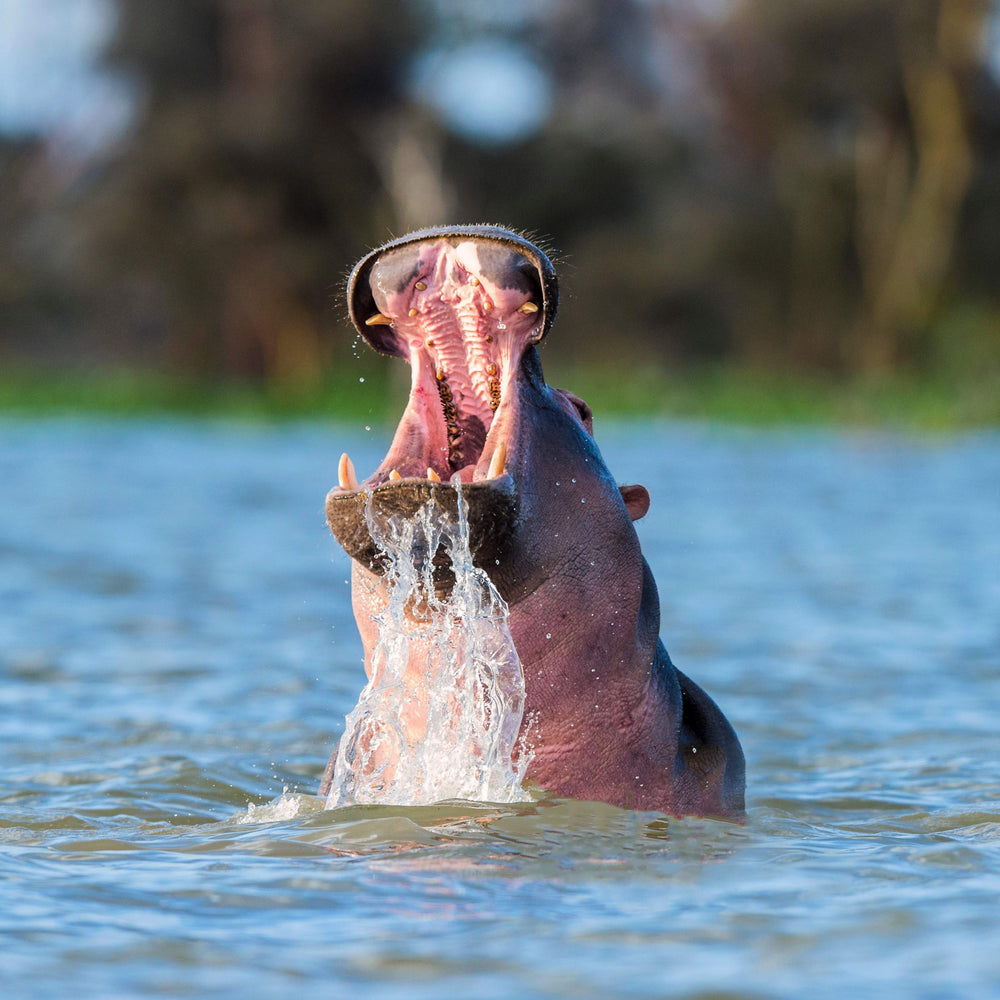
Lake Naivasha
Freshwater shores, acacia woodlands, and a peaceful atmosphere define Lake Naivasha. Unlike traditional game reserves, this region allows for walking and boat safaris, where hippos, fish eagles and giraffes are commonly spotted.
Its calm setting offers a refreshing contrast to classic savannah safaris, blending wildlife encounters with a more relaxed, scenic experience.
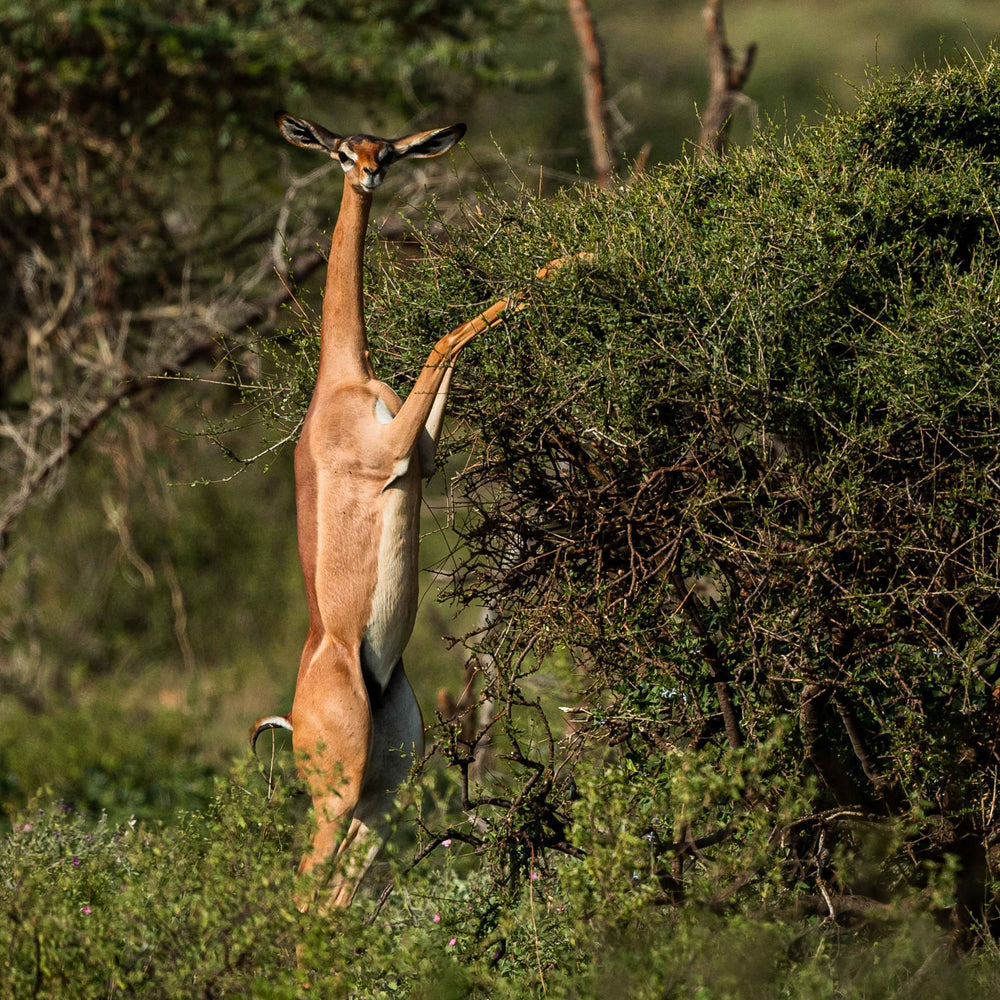
Samburu National Reserve
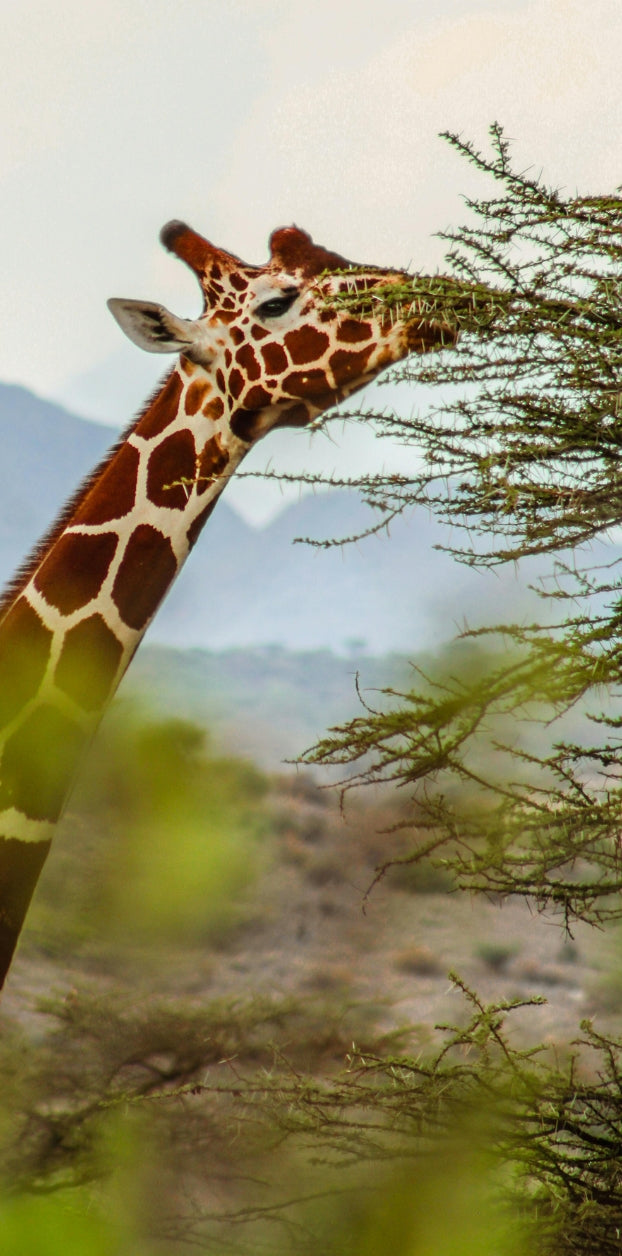
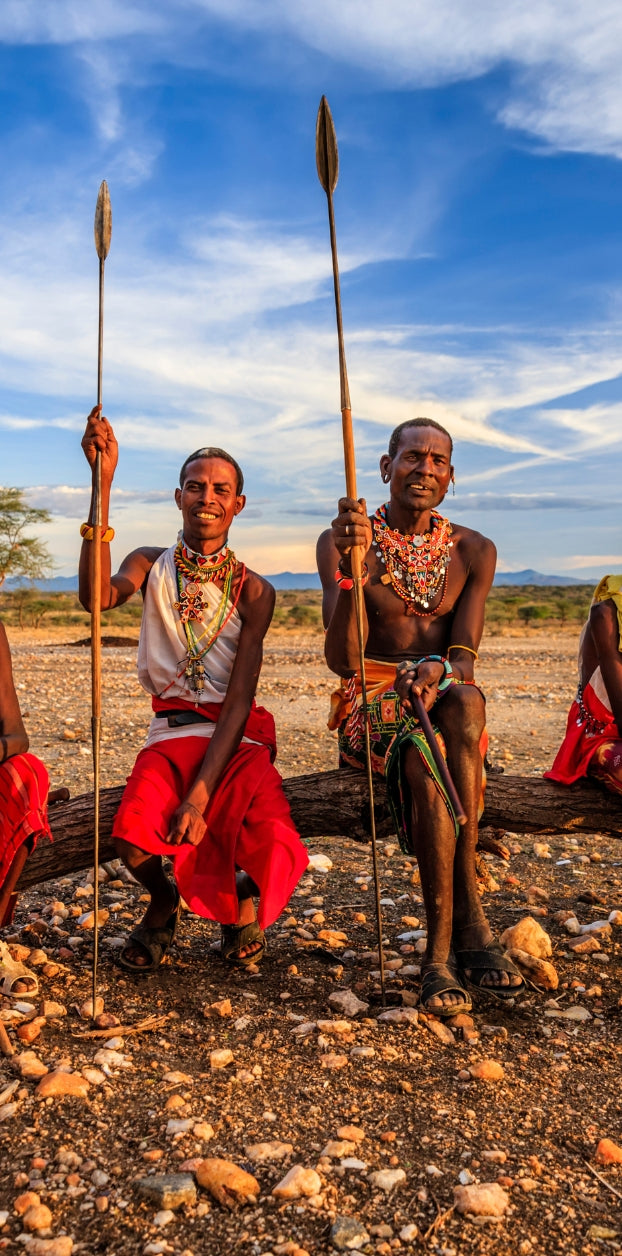
Remote and rugged, Samburu offers a distinctly different safari experience shaped by its semi-arid terrain and unique wildlife. It is home to rare northern species such as the Grevy’s zebra, reticulated giraffe, and Somali ostrich, often referred to as the “Samburu Special Five".
The Ewaso Nyiro River acts as a lifeline, drawing animals to its banks and creating intimate, uncrowded wildlife encounters.
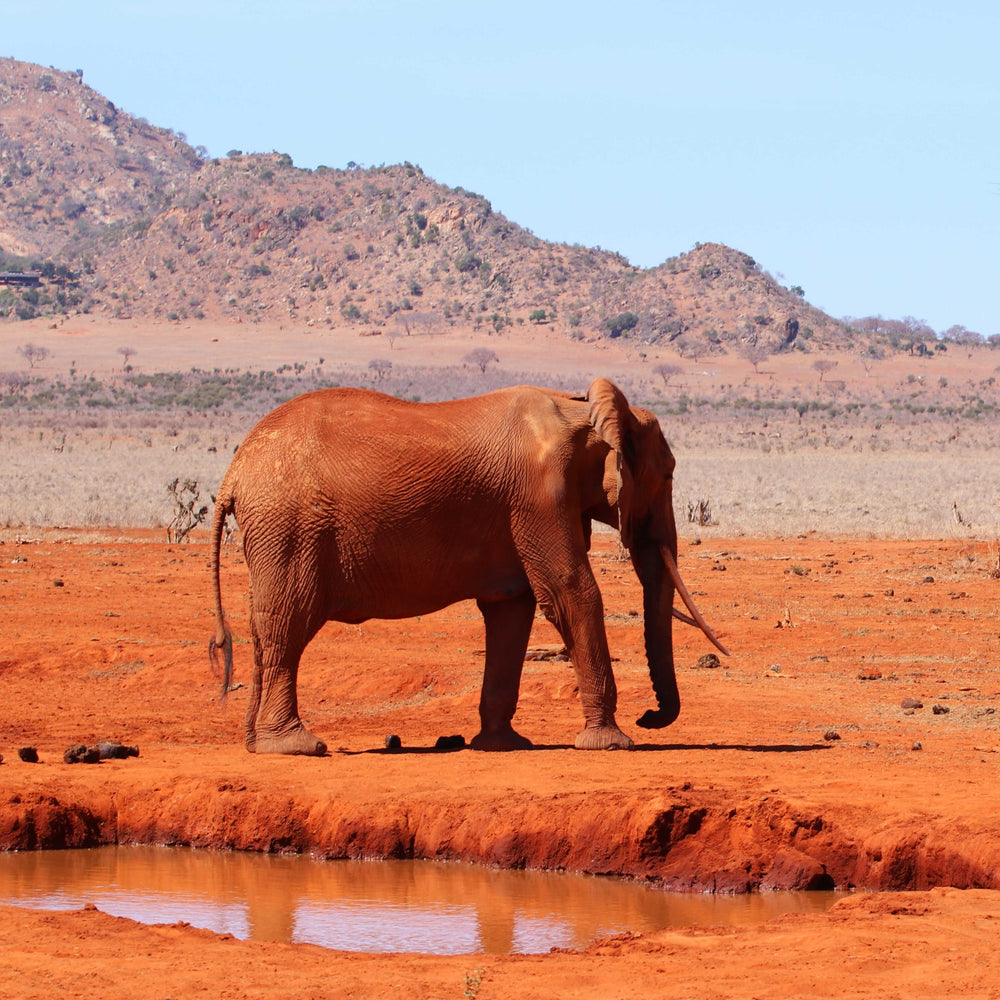
Tsavo National Parks (East & West)
Vast, untamed and dramatic, Tsavo is one of the largest protected wilderness areas in the world. Known for its red-dust elephants and striking landscapes, it combines volcanic hills, lava flows and open savannahs.
Wildlife here feels truly wild and dispersed, offering a sense of scale and solitude rarely found elsewhere, along with sightings of lions, buffalo and diverse bird species.
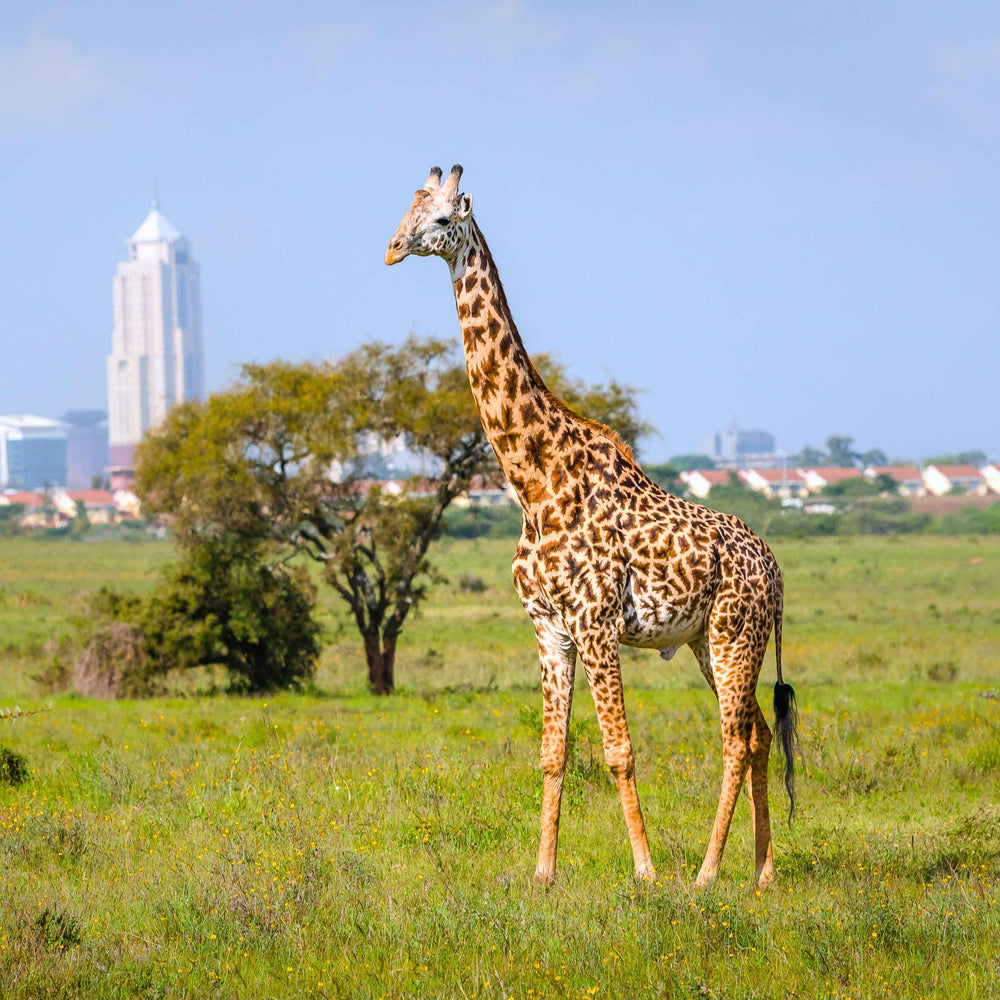
Nairobi National Park
A wildlife reserve like no other, Nairobi National Park sits on the edge of Kenya’s capital, creating a rare juxtaposition of wilderness and skyline. Despite its proximity to the city, it hosts lions, rhinos, giraffes and more in a surprisingly wild setting.
It’s an ideal introduction to Kenya’s wildlife, where nature exists just beyond the urban pulse.
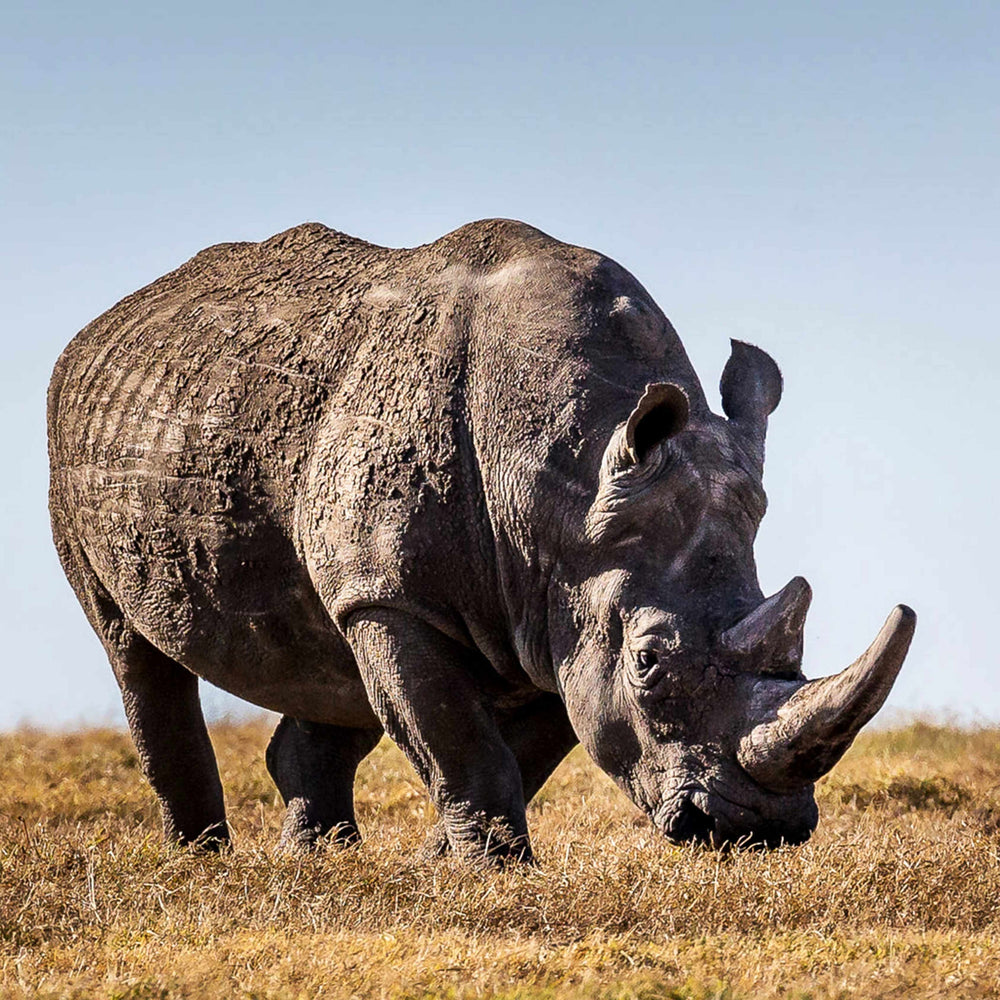
Ol Pejeta Conservancy
A leading model in conservation, Ol Pejeta blends impactful wildlife protection with exceptional safari experiences. It is home to the last two remaining northern white rhinos, along with a thriving population of black rhinos, making it one of East Africa’s most important sanctuaries.
Beyond the Big Five, the conservancy also offers unique encounters such as chimpanzee rehabilitation, all set within a diverse landscape of open plains and acacia woodland.
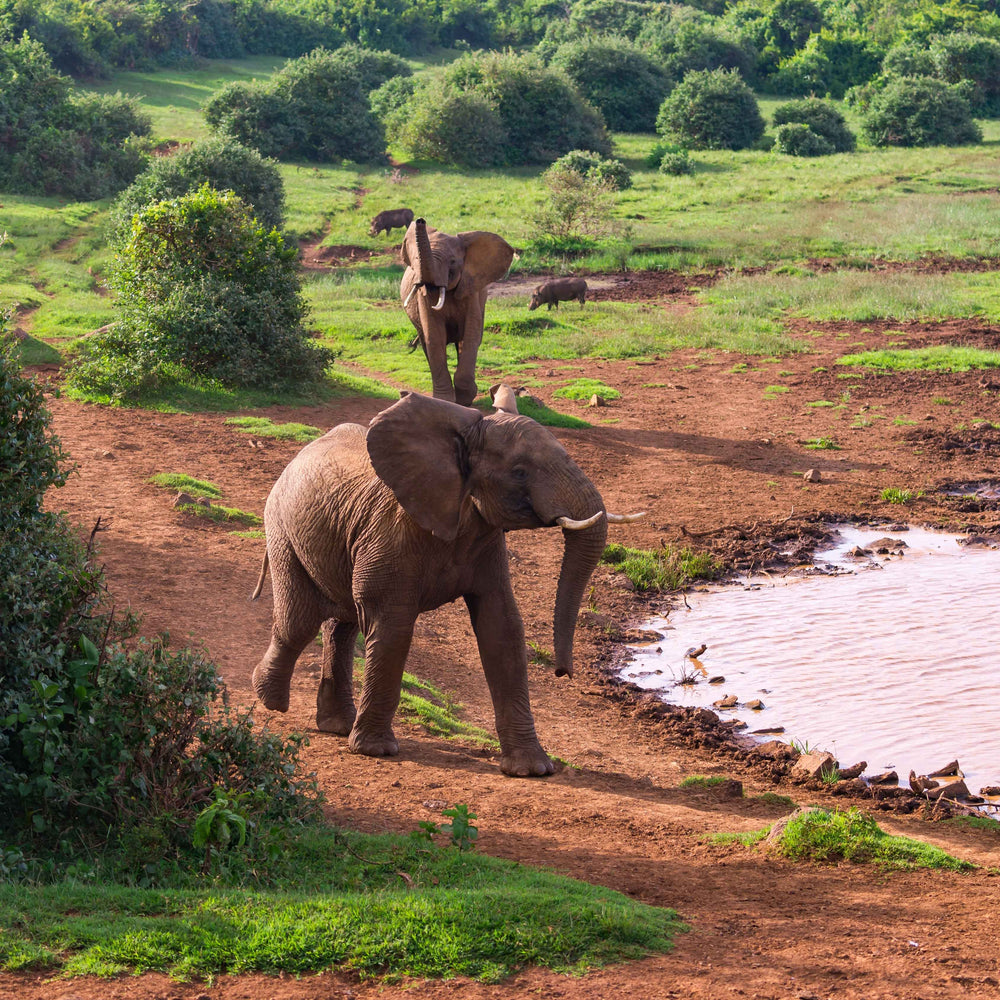
Aberdare National Park
Misty forests, cascading waterfalls and cool mountain air define the Aberdare landscape. Unlike the open savannahs, this park offers a more secluded and atmospheric safari, where wildlife such as elephants, leopards and the elusive bongo move through dense woodland.
Known for its tree lodges overlooking waterholes, Aberdare creates quiet, intimate moments as animals emerge from the forest, especially after dusk.
Laikipia Plateau
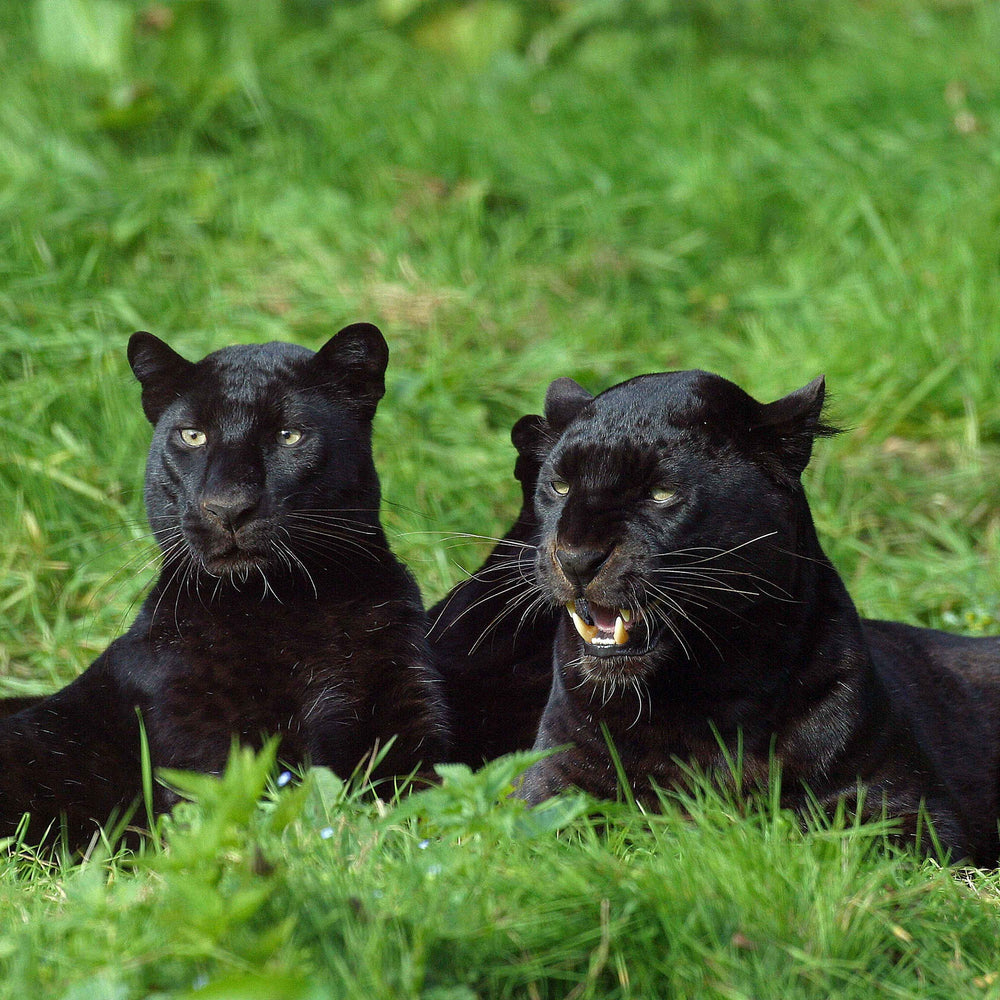
A vast and exclusive safari region, Laikipia offers a more private and conservation-driven experience. Spread across a collection of private conservancies, it is known for low visitor density and high-quality wildlife encounters.
The region supports endangered species such as African wild dogs and Grevy’s zebras, while also offering diverse activities including walking safaris, horseback safaris and community interactions, all within strikingly varied landscapes.
Diani beach
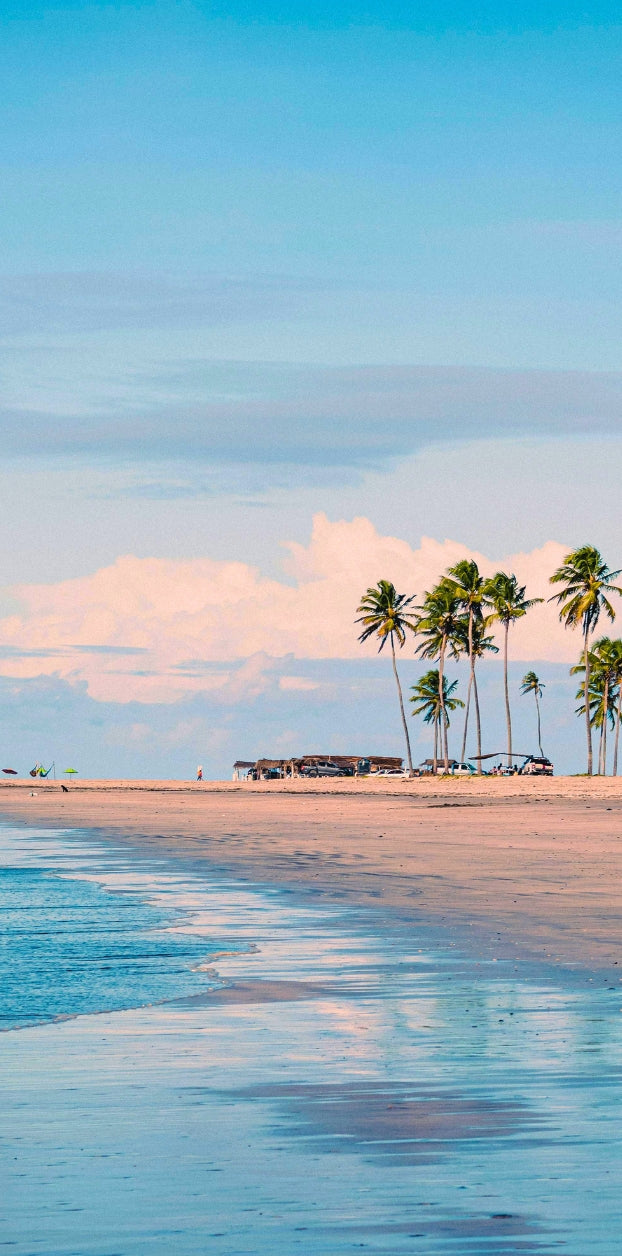
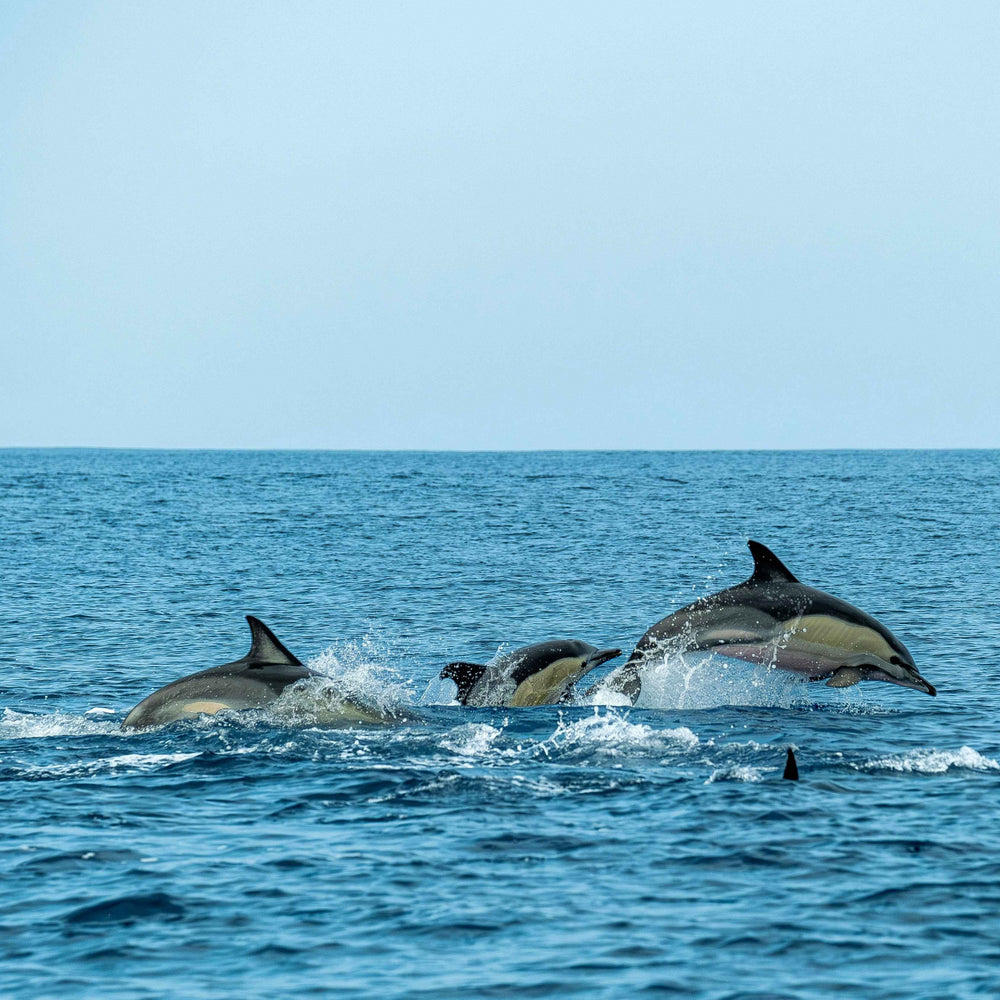
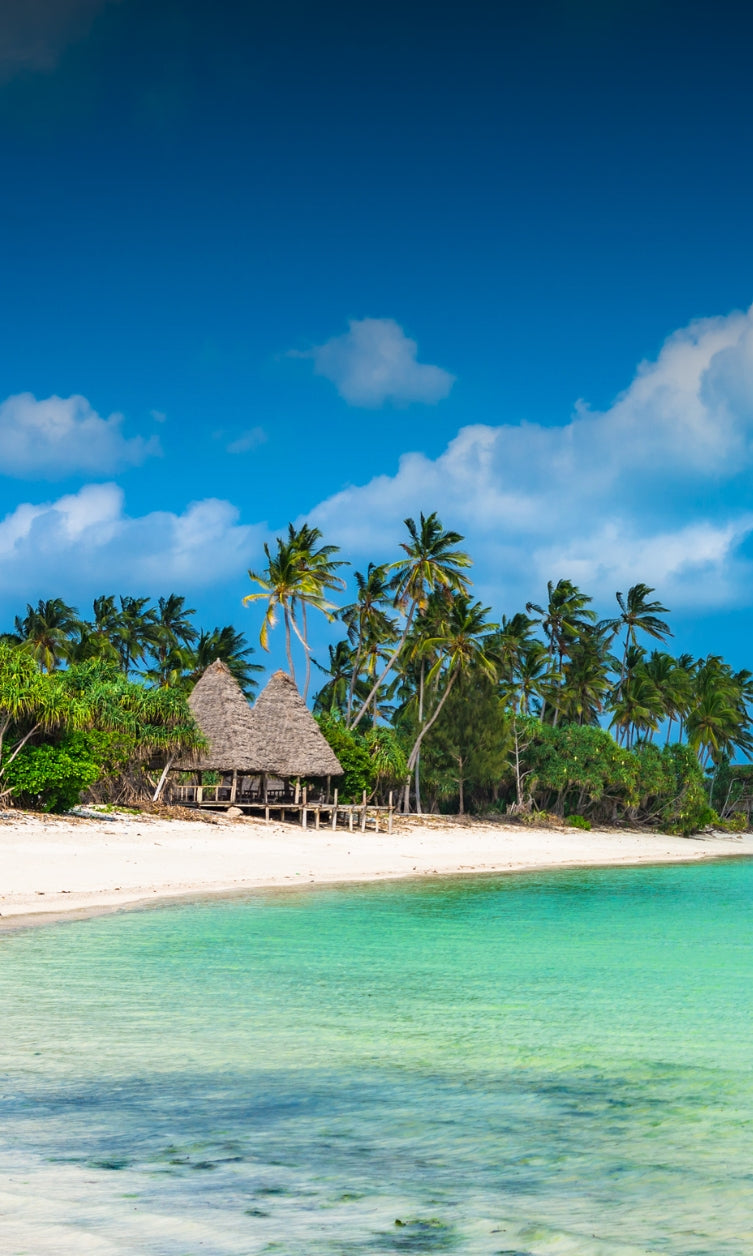
Stretching along Kenya’s southern coastline, Diani Beach is a seamless blend of soft white sands, turquoise waters and swaying palm trees. Beyond its scenic beauty, the area offers vibrant marine life, with opportunities for snorkeling, diving and dhow cruises along coral reefs.
It serves as the perfect coastal extension to a safari journey, where the rhythm slows and the wilderness gives way to ocean calm.
Kenya through the seasons
Kenya is rewarding throughout the year, with each season bringing its own qualities, from dramatic wildlife concentrations to quieter green landscapes.
Weather:
Warm, dry and sunny with clear skies. Daytime averages 25–30°C, while nights are cooler.
Highlights:
Excellent game viewing as wildlife gathers near water, predators very active, calving season with newborn animals and great conditions for photography.
Weather:
Heavy rains with humid conditions. Daytime averages 20–26°C, evenings mild but wet.
Highlights:
Landscapes become lush & green, dramatic skies for photography, birdwatching is excellent, fewer tourists in parks & the most economical time to travel.
Weather:
Cool mornings, sunny dry days, 20–27°C temperatures, with colder nights in some regions.
Highlights:
Peak wildlife season with the Great Migration (Jul–Oct), active predators, excellent photography, though also the busiest and most premium travel period.
Weather:
Short, light rains in the afternoon or evening. Daytime averages 23–28°C, generally warm & pleasant.
Highlights:
Lush landscapes, newborns, fewer travellers & excellent photography opportunities make this season rewarding for quieter, more scenic safari experiences.
Curated Kenya Journeys
Frequently asked questions
When is the best time to visit Kenya?
Kenya is a year-round safari destination, with each season offering a different experience. From January to March, conditions are warm and dry with excellent wildlife viewing and clear skies. April to May brings the long rains, turning landscapes lush and green with fewer visitors and quieter safari experiences. From June to October, the dry season offers peak wildlife viewing, including the Great Migration in the Masai Mara with dramatic river crossings. In November and December, the short rains refresh the plains, bringing vibrant scenery, active birdlife and a more relaxed safari atmosphere.
How many days are enough for a Kenya safari?
A well-rounded Kenya safari typically requires 5 to 7 days to explore key regions such as Masai Mara, Amboseli and Lake Naivasha. For a more relaxed pace or to include additional experiences like Ol Pejeta or a beach extension, 7 to 10 days is recommended.
Do I need a visa to travel to Kenya?
Most travelers require an Electronic Travel Authorization (eTA) before entering Kenya, which can be applied for online prior to travel. It is recommended to complete the process in advance for a smooth arrival. Requirements may vary depending on nationality, so checking official guidelines before travel is advised.
Are vaccinations required for Kenya?
A yellow fever vaccination may be required if you are arriving from or transiting through a country with risk of yellow fever. Other recommended vaccinations include hepatitis A, typhoid, and routine immunizations. It is advisable to consult a travel clinic or doctor before your trip.
Which airports should I fly into for a Kenya safari?
The main international gateway is Jomo Kenyatta International Airport in Nairobi, which connects easily to domestic flights and safari regions like Masai Mara and Amboseli. For coastal extensions such as Diani Beach, Moi International Airport in Mombasa is commonly used.
Birding in Kenya's Mara: the Maasai Mara is one of Africa's great birding theatres, with over 500 recorded species. Explore our Masai Mara birds guide — 57 species ranked by how easily you'll spot each, with the best months to see them.