

Tanzania
A land of timeless wilderness!!
A land shaped by Migration, Wilderness and Wonder
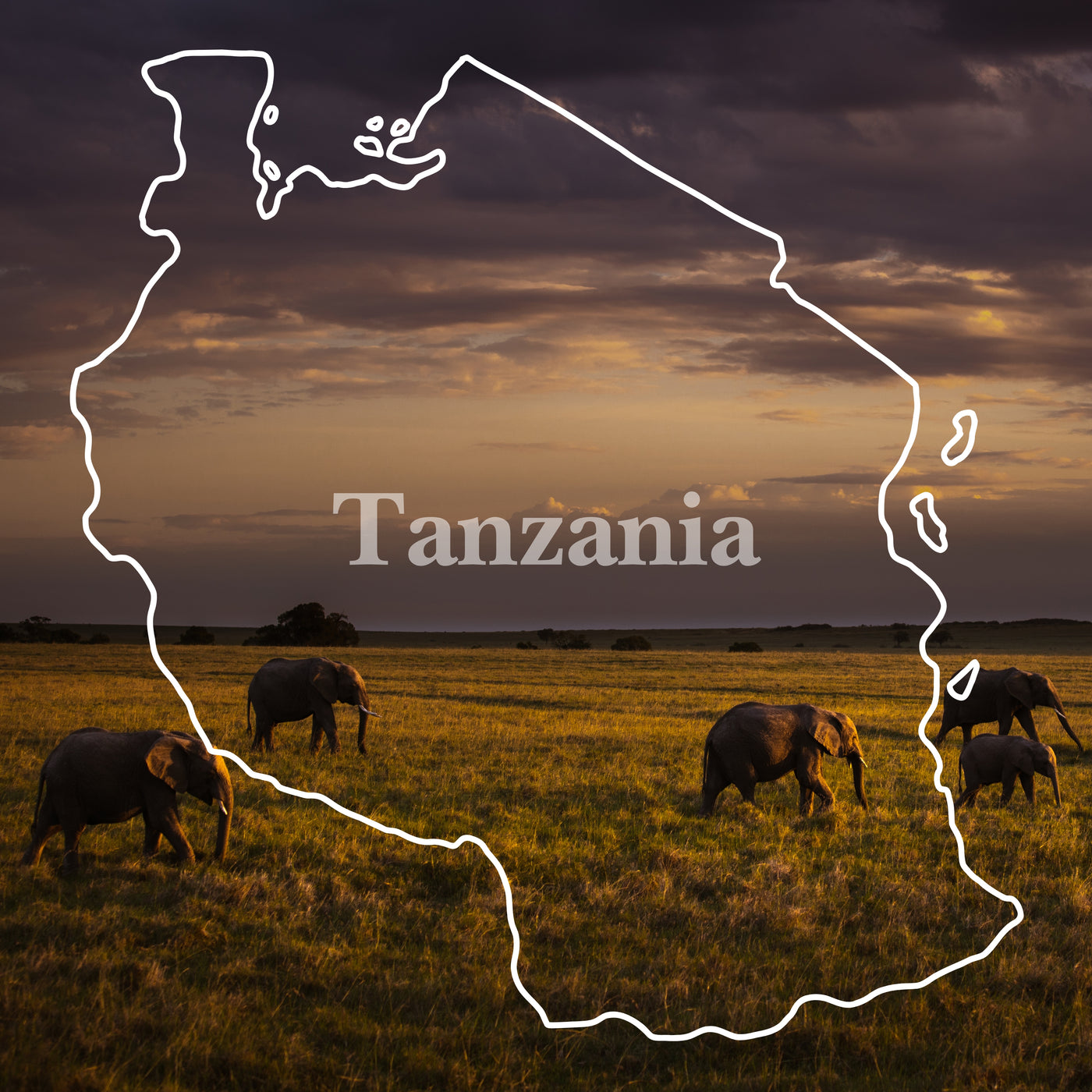
One of Africa’s most expansive and visually striking safari destinations, defined by vast, uninterrupted wilderness and landscapes that feel almost untouched by time. From the endless plains of the Serengeti to the dramatic Ngorongoro highlands, the remote southern parks and the island rhythms of Zanzibar, Tanzania offers a sense of scale that is both humbling and immersive.
Access to Tanzania is typically via major international gateways such as Kilimanjaro International Airport (for northern safari circuits), Dar es Salaam (for southern parks and coastal extensions), or Zanzibar for beach combinations.
Most safari journeys involve short scenic flights between regions, allowing travellers to cover vast distances efficiently while experiencing the diversity of the landscape from above.
In Tanzania, distance is not something to cover — it is something to witness!
Unlike more fragmented safari regions, much of Tanzania’s wilderness exists within large, protected ecosystems where wildlife still moves freely across enormous distances.
The Serengeti alone forms part of one of the most important ecological systems on earth, home to the Great Migration and some of the continent’s most consistent predator-prey interactions.
Iconic places of Tanzania
Serengeti National Park
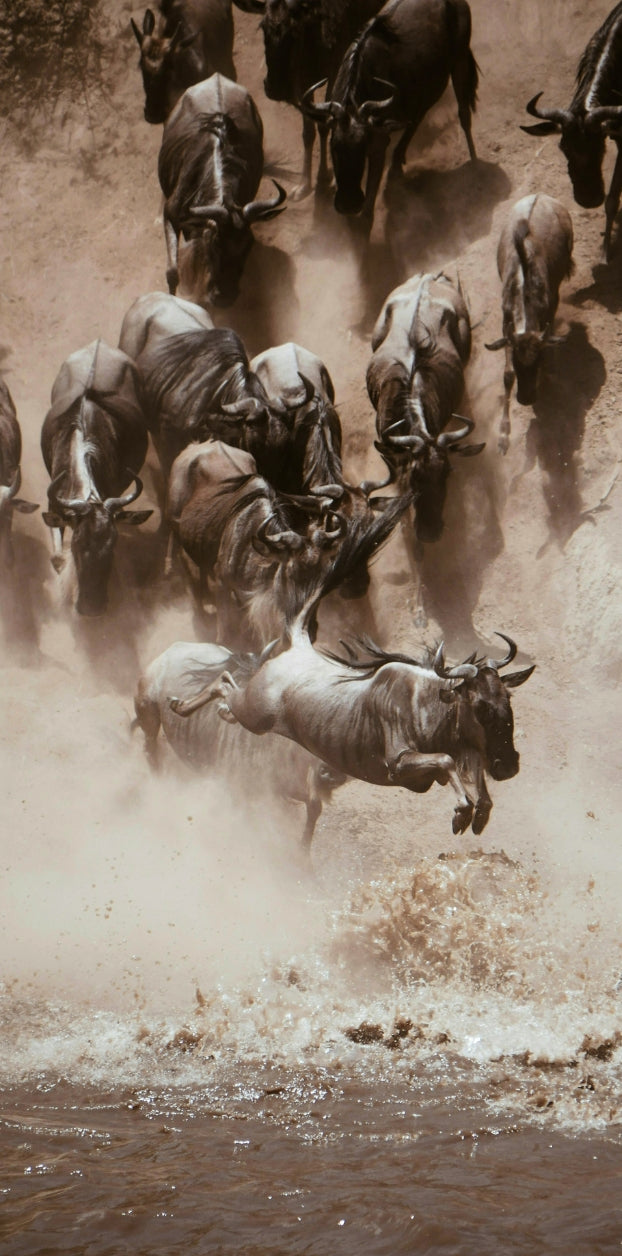
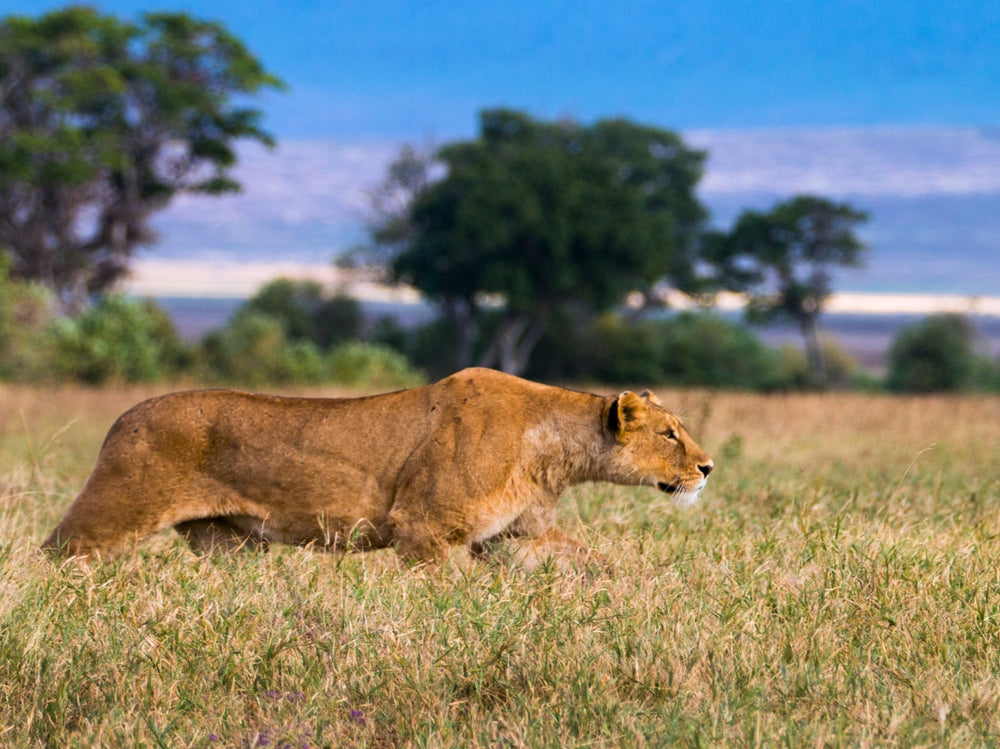
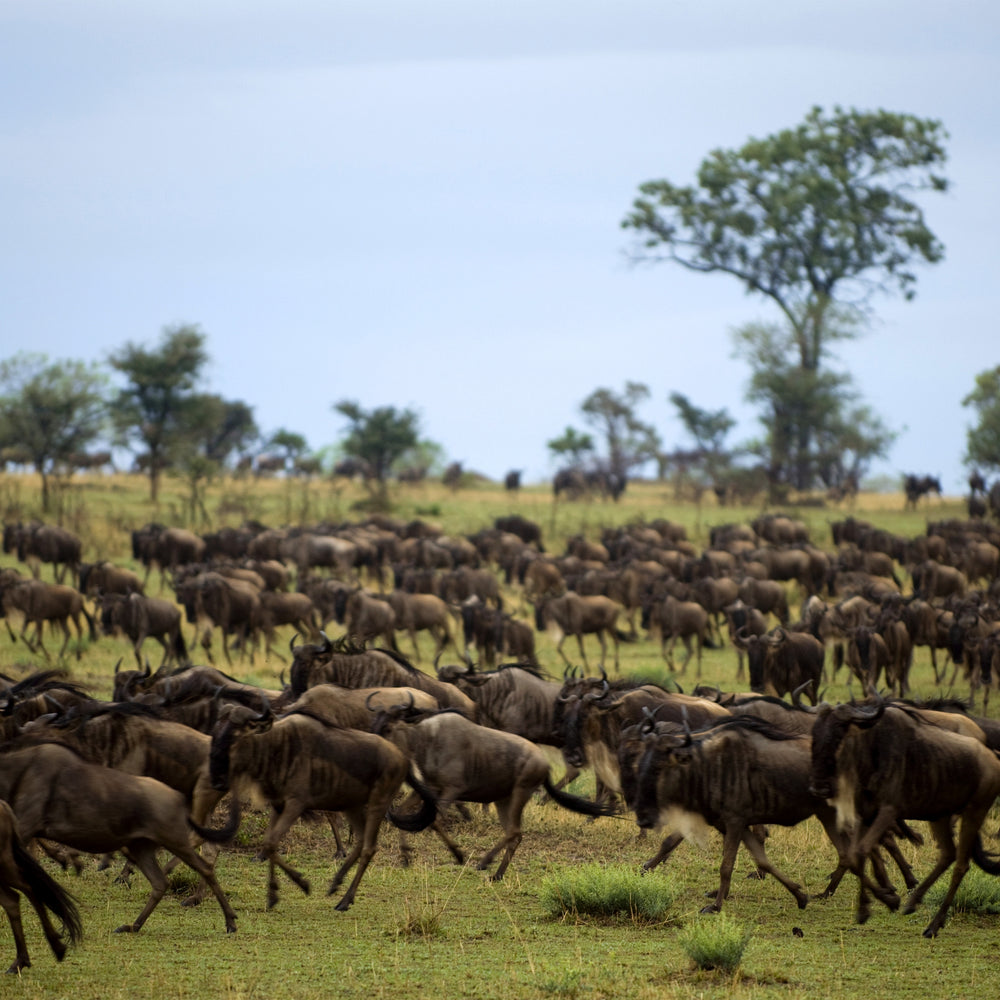
A world-renowned safari destination, the Serengeti is defined by vast open plains and extraordinary wildlife density. It is home to the Great Migration, where millions of wildebeest, zebra and gazelle move across the ecosystem in search of fresh grazing. Predators such as lions, cheetahs and hyenas follow closely, creating dramatic wildlife interactions.
The park offers year-round game viewing and remains one of Africa’s most iconic and rewarding safari landscapes.
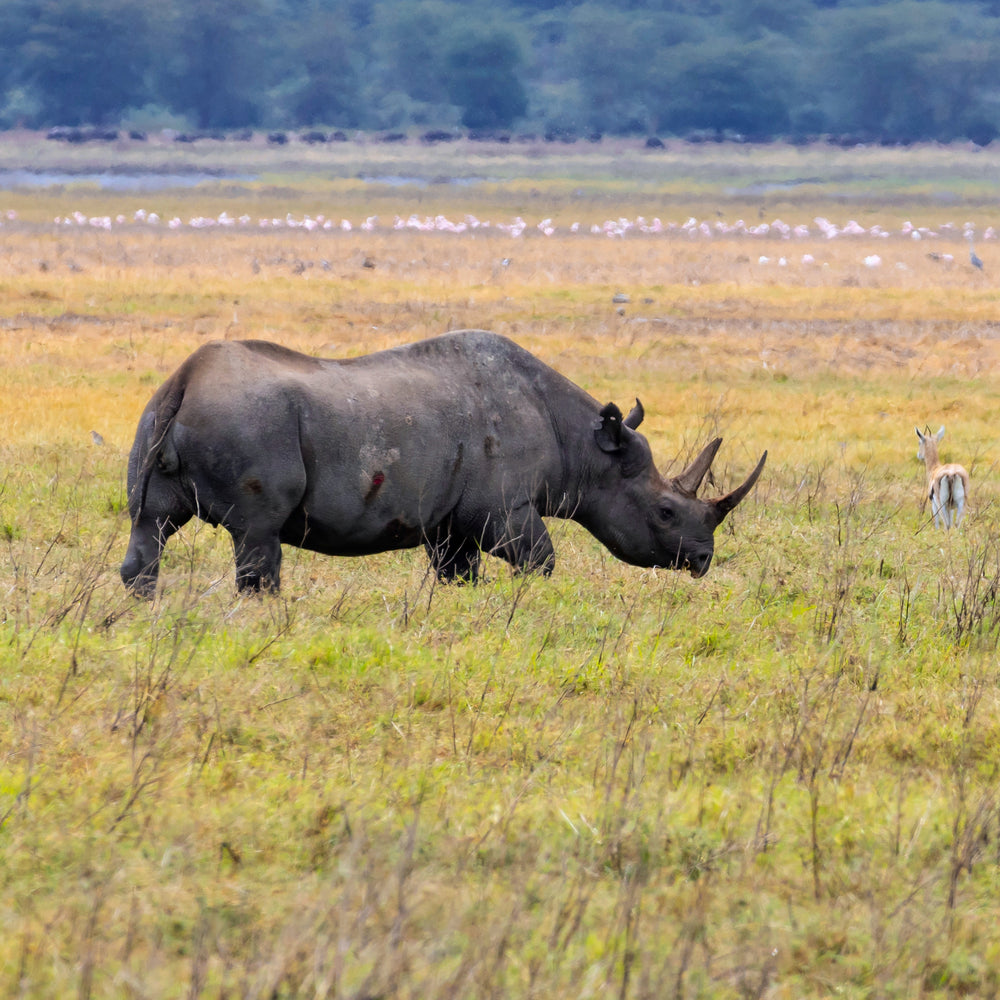
Ngorongoro Crater
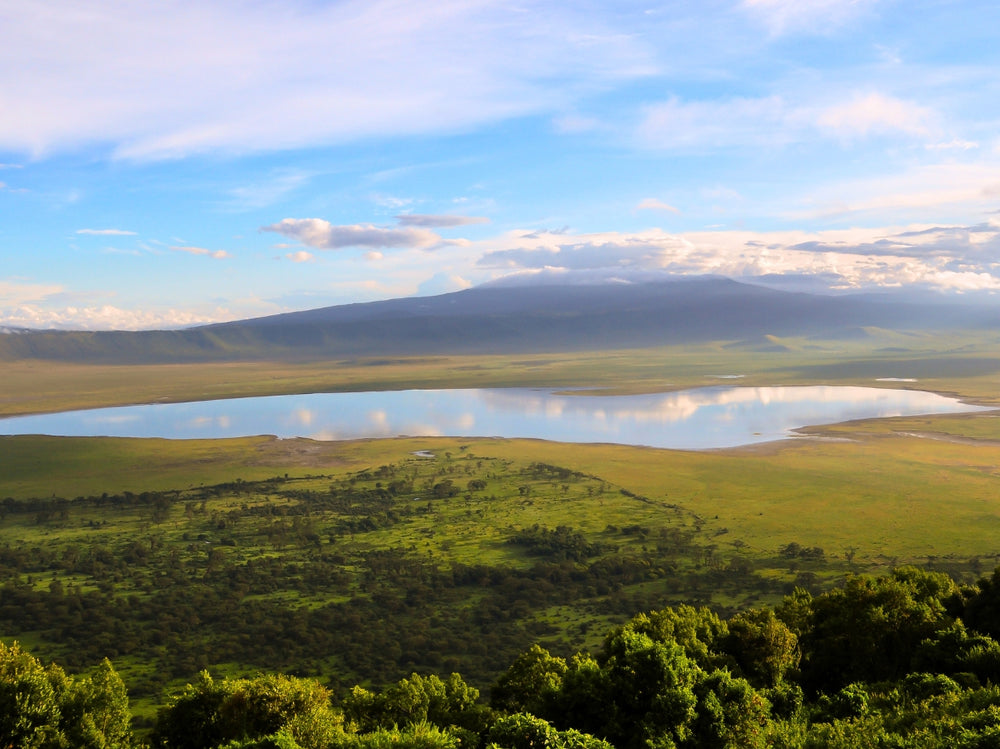
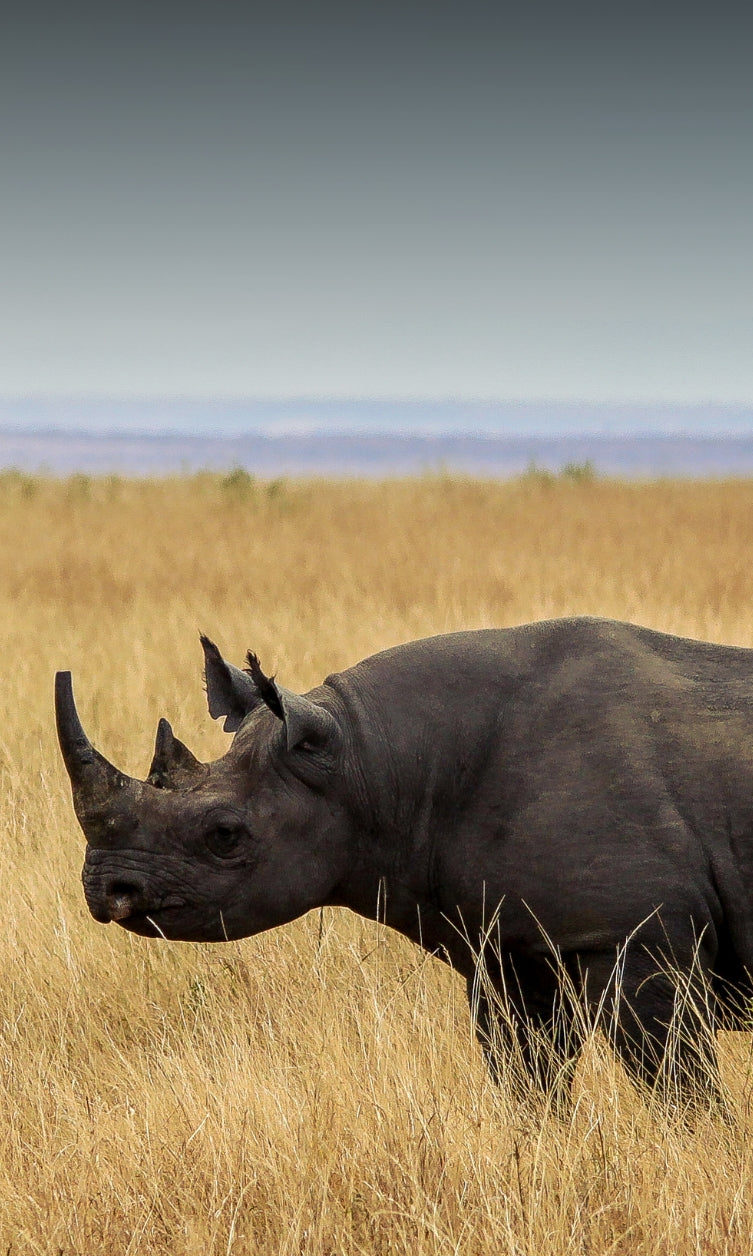
A UNESCO World Heritage Site, Ngorongoro Crater is a vast volcanic caldera forming a unique enclosed ecosystem. Its fertile floor supports a high concentration of wildlife, including elephants, lions, buffalo, hippos and the endangered black rhino. Surrounded by steep crater walls, the landscape creates a natural amphitheatre for game viewing.
The combination of scenery and dense wildlife makes it one of Africa’s most remarkable safari destinations.
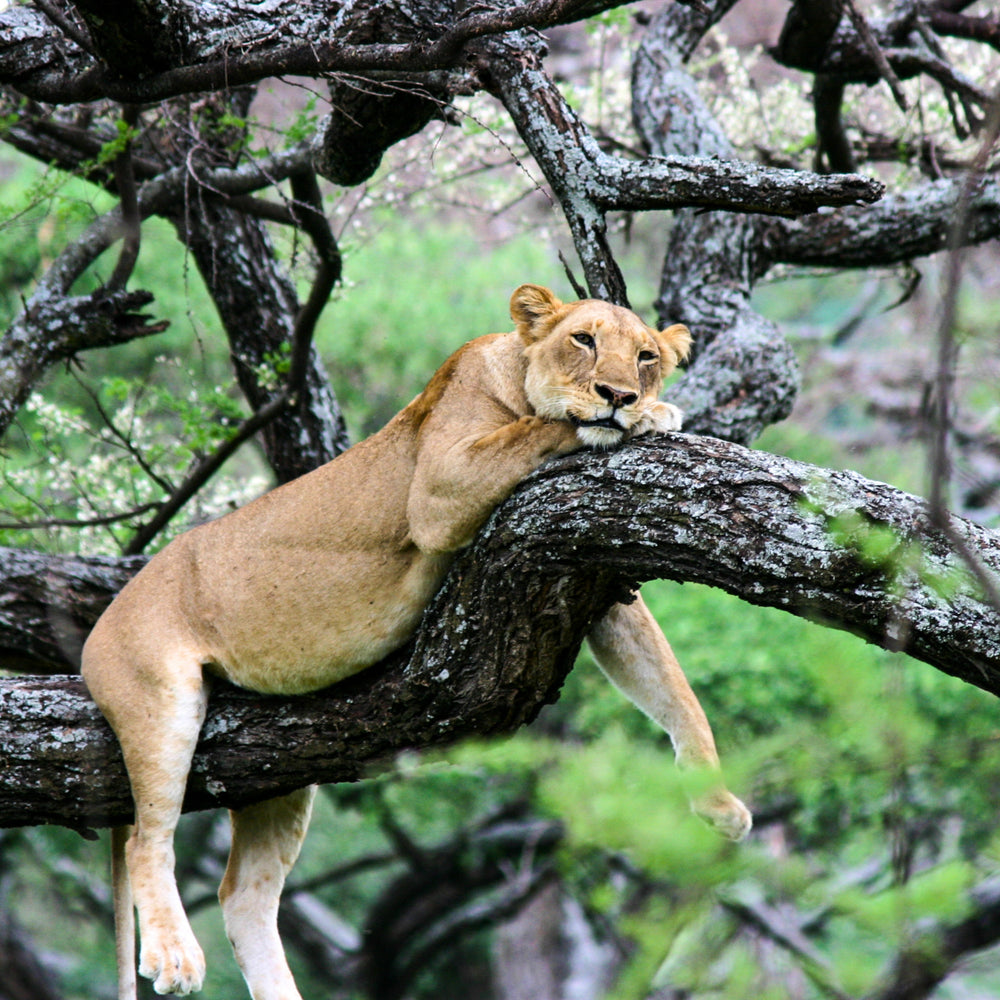
Lake Manyara National Park
Located at the base of the Great Rift Valley escarpment, Lake Manyara is a compact but diverse park. It features groundwater forests, open plains and a shallow alkaline lake that attracts large flocks of flamingos and other bird species.
The park is also known for tree-climbing lions and frequent sightings of elephants and baboons. Its varied ecosystems make it a rewarding stop within Tanzania’s northern safari circuit.
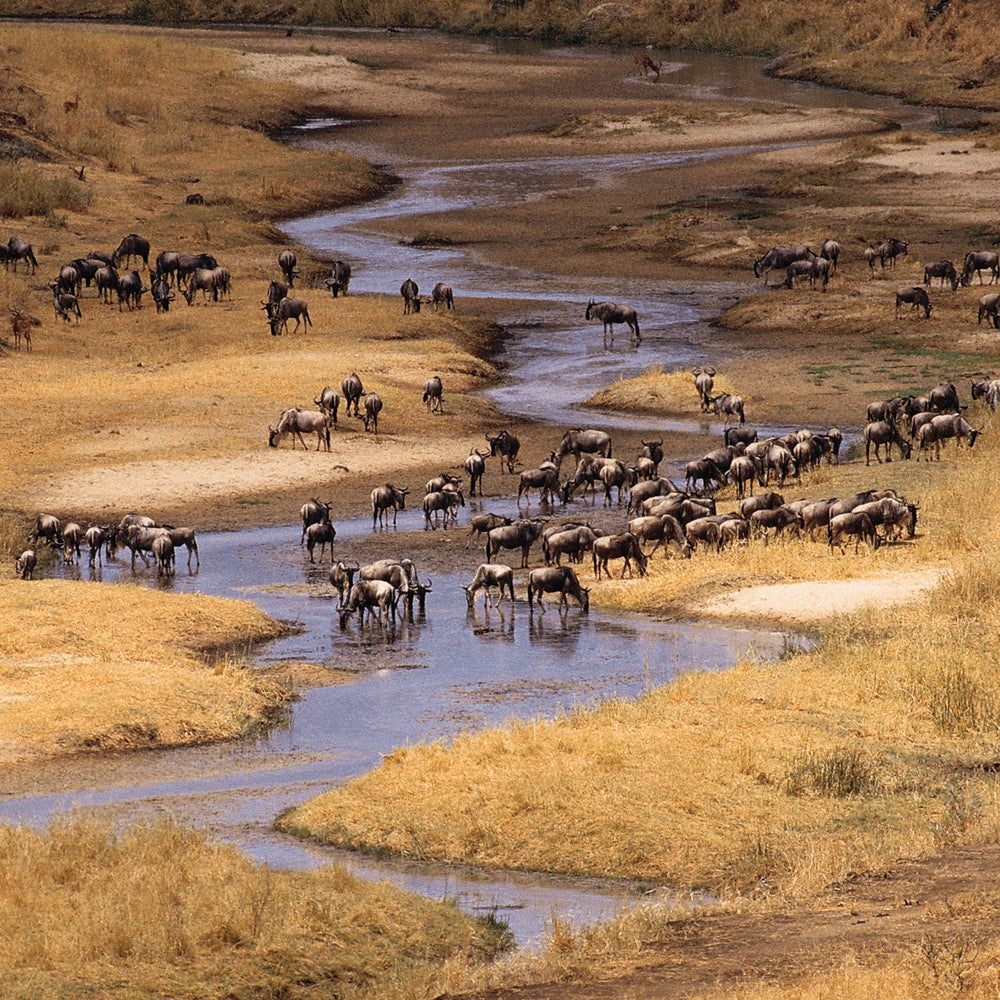
Tarangire National Park
Known for its ancient baobab trees and large elephant herds, Tarangire offers a rich and scenic safari experience. During the dry season, wildlife gathers along the Tarangire River, attracting predators and large herds of herbivores.
The park is also home to diverse birdlife and varied landscapes ranging from open savannah to woodland. It provides a quieter alternative to busier parks while still delivering strong wildlife encounters.
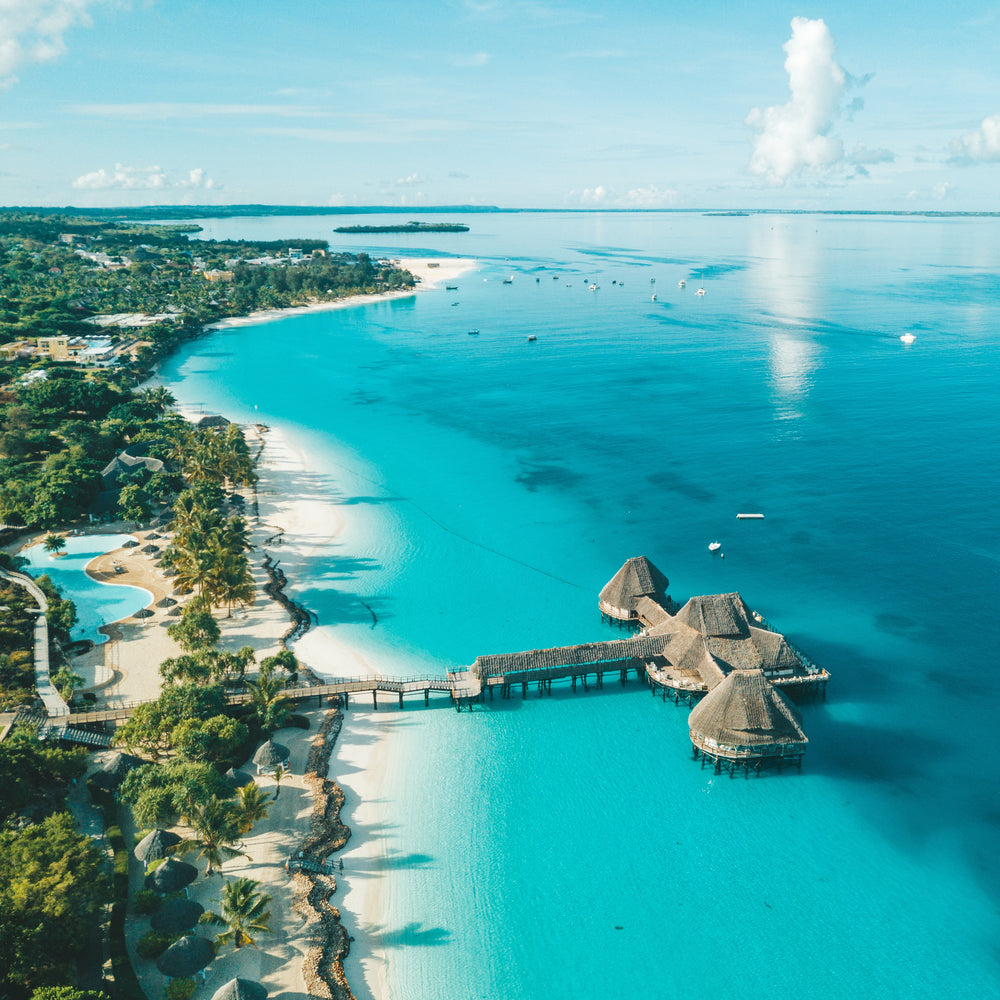
Zanzibar
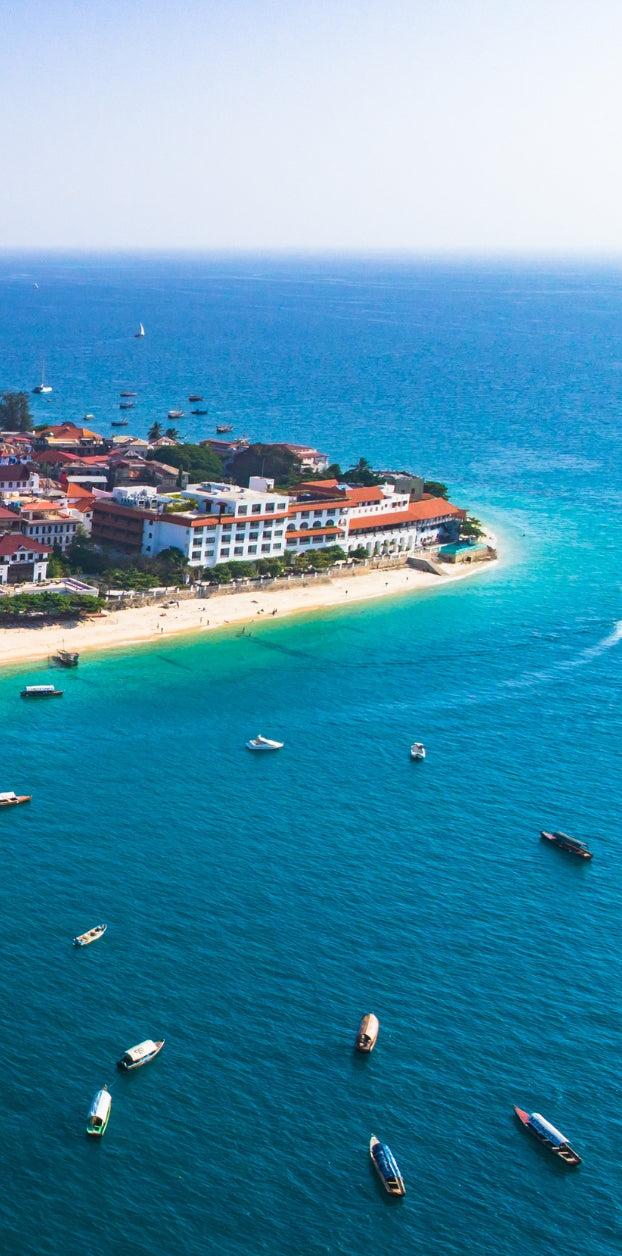
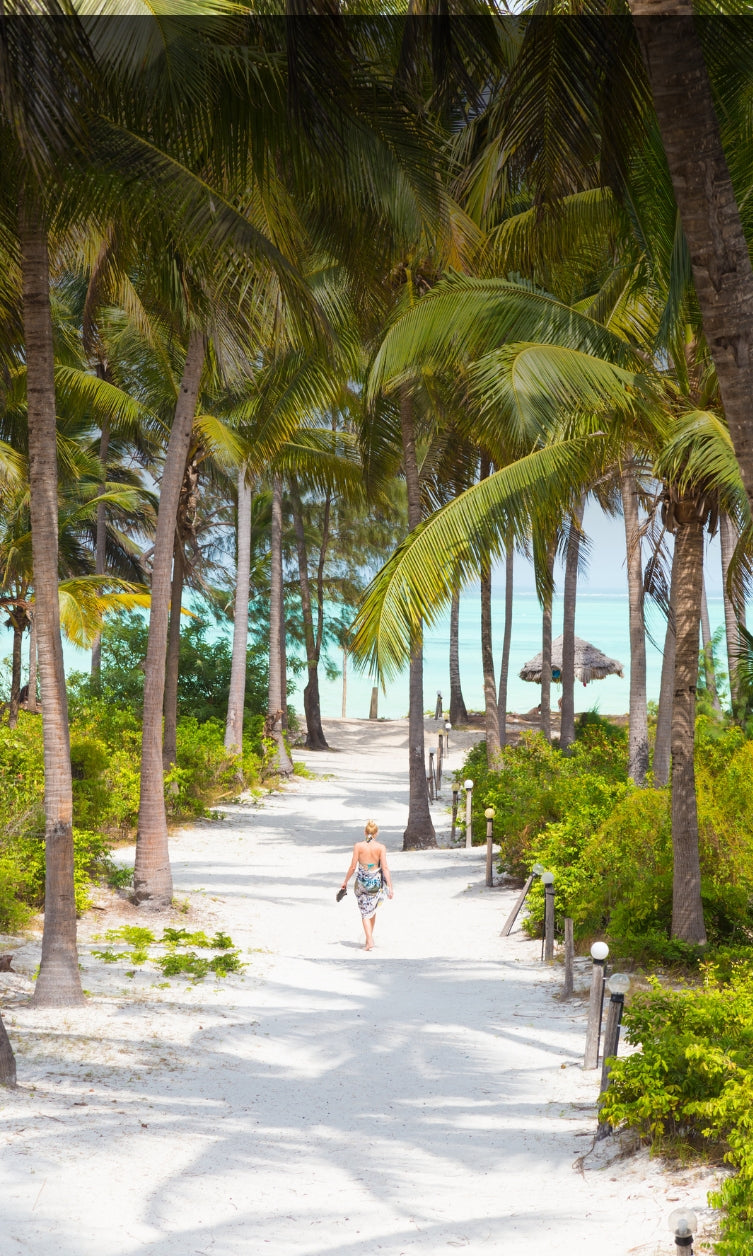
An island destination off Tanzania’s coast, Zanzibar blends tropical beaches with rich cultural heritage. Its white sandy shores and coral reefs offer excellent opportunities for snorkeling, diving and marine exploration. Stone Town, a UNESCO-listed site, reflects centuries of Swahili, Arab, and European influence through its architecture and narrow streets.
The island provides a relaxing coastal extension to inland safari journeys.
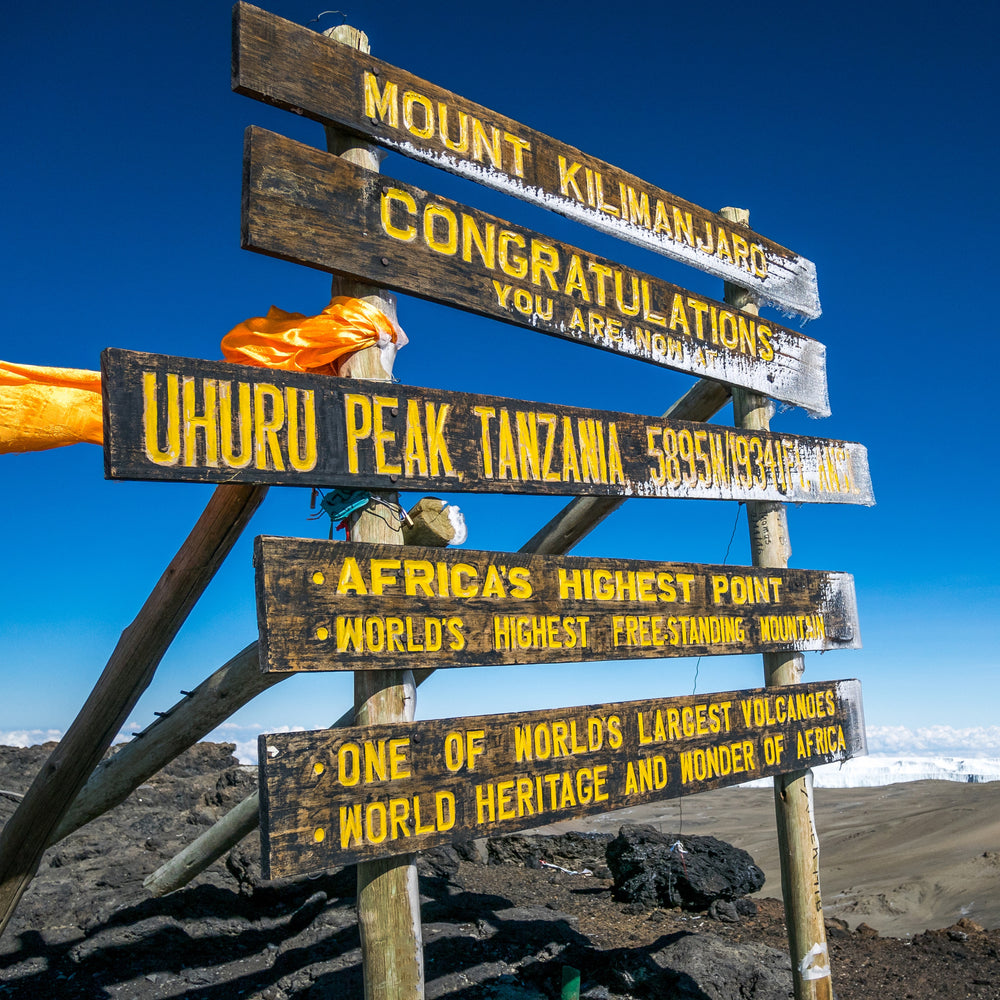
Mount Kilimanjaro
Africa’s highest peak, Mount Kilimanjaro rises dramatically above the surrounding plains. The park features distinct ecological zones ranging from rainforest to alpine desert and glacial summit. While famous for trekking expeditions, it also supports unique flora, birdlife and lower-altitude wildlife.
Its towering presence makes it one of Africa’s most recognizable natural landmarks.
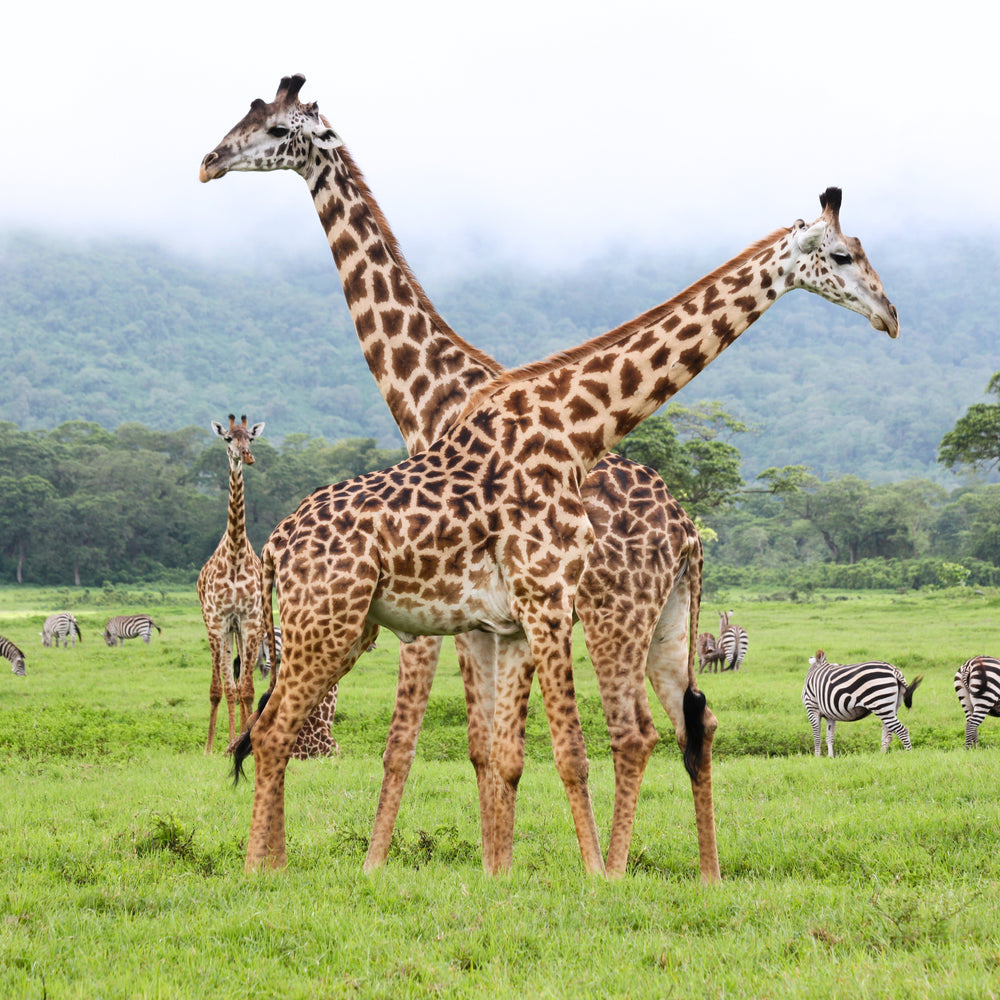
Arusha National Park
A diverse and scenic park located at the foothills of Mount Meru, Arusha offers a compact but highly varied safari experience. It features lush montane forests, crater lakes and open savannah, supporting wildlife such as giraffes, buffalo, colobus monkeys and diverse bird species.
The park is also known for its walking safaris, allowing closer interaction with nature in a peaceful and less crowded setting.
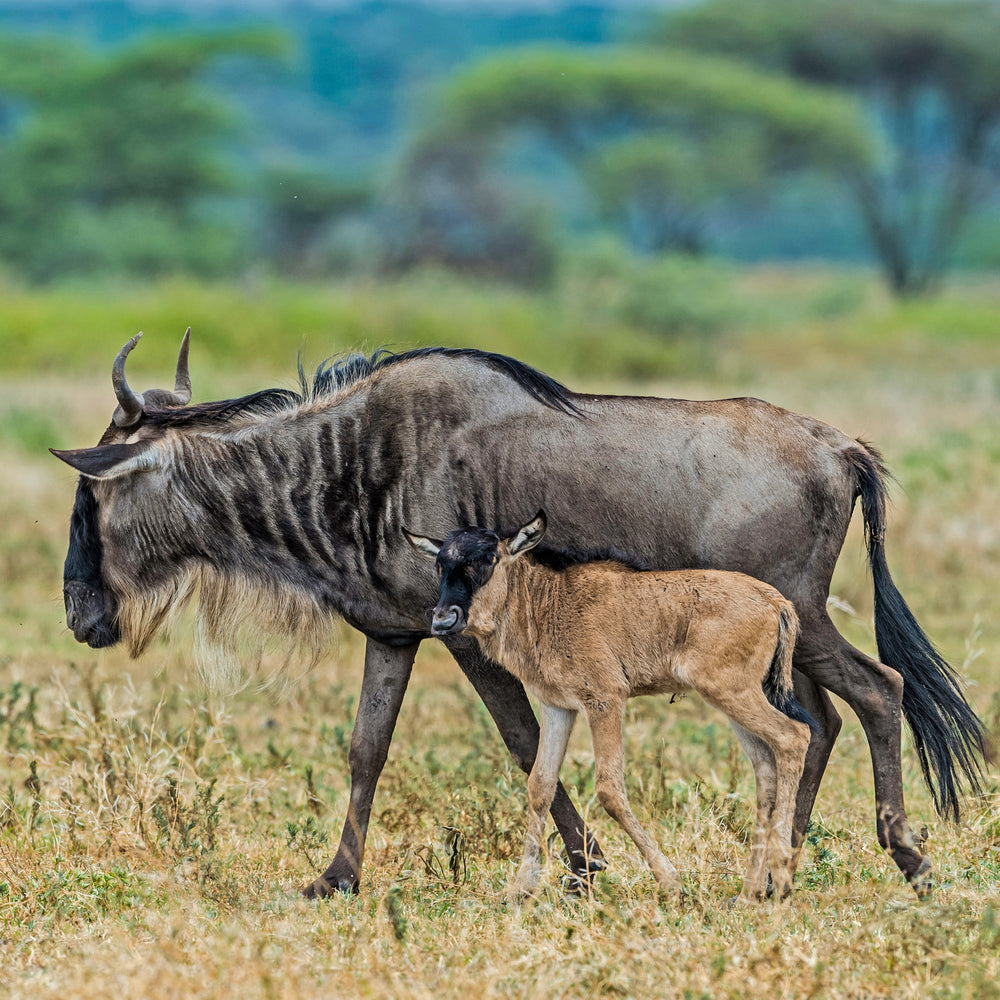
Ndutu (Southern Serengeti Region)
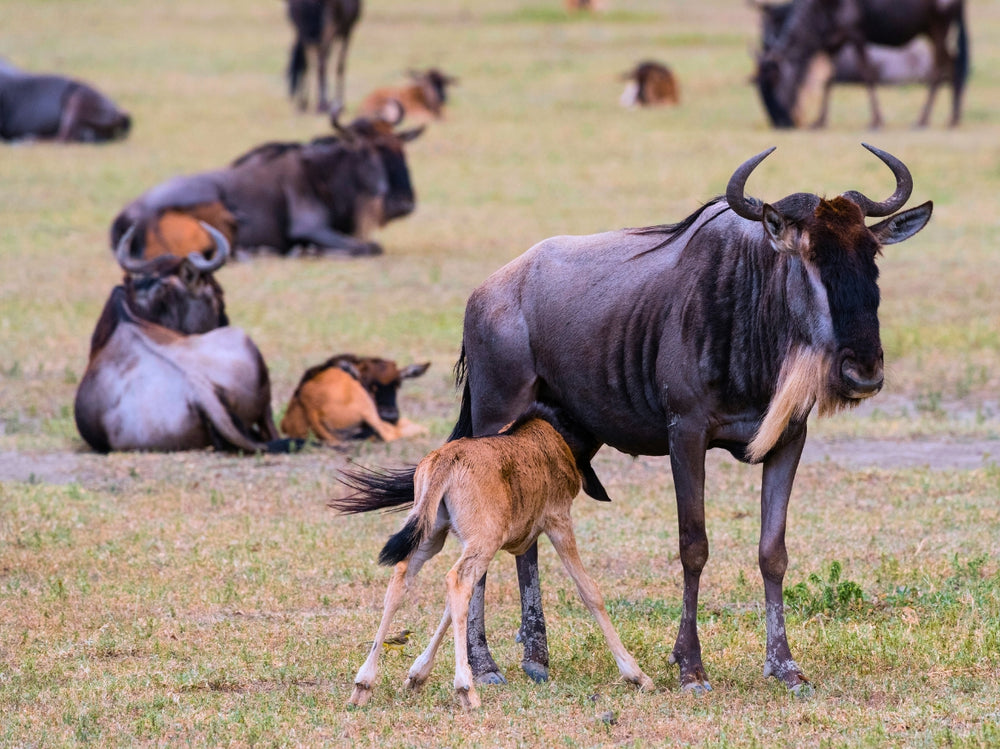
Located in the Ngorongoro Conservation Area, Ndutu is best known as a key calving ground for the Great Migration. Between December and March, thousands of wildebeest give birth here, attracting predators like lions, cheetahs and hyenas in high concentration.
The open plains and seasonal lakes create ideal conditions for dramatic wildlife interactions, making it one of the most action-filled safari regions in Tanzania.
Tanzania through the seasons
Tanzania experiences a generally stable tropical climate, but its safari seasons are defined more by rainfall patterns and wildlife movement than temperature.
Weather:
Warm, dry conditions with 25°C–30°C (77°F–86°F), clear skies and cooler mornings.
Highlights:
Peak calving season in Ndutu and southern Serengeti with thousands of wildebeest births. High predator activity across lush green plains with dramatic, photographic landscapes.
Weather:
Heavy seasonal rains with 22°C–28°C (72°F–82°F) and high humidity.
Highlights:
Green transformation of landscapes with lush vegetation and dramatic, moody skies. Low visitor numbers allow quiet safaris and wide wildlife dispersal across the plains.
Weather:
Dry and clear with 20°C–32°C (68°F–90°F), warm days and cool mornings.
Highlights:
Migration moves through Serengeti with iconic river crossings and predator action. High wildlife concentration and excellent visibility make this the peak safari period.
Weather:
Warm, humid conditions with 23°C–30°C (73°F–86°F) and light rains.
Highlights:
Migration returns south, refreshing Serengeti and Ndutu with green plains. Birdlife peaks and newborn wildlife spreads across renewed, vibrant landscapes.
Curated Tanzania Journeys
Frequently asked questions
When is the best time to visit Tanzania?
Tanzania is a year-round destination, with each season offering a distinct experience. From January to March, the southern Serengeti and Ndutu region host the calving season, bringing lush green landscapes and strong predator activity. April to May marks the long rains, transforming the scenery into a vibrant, green wilderness with fewer crowds and quieter safari conditions. From June to October, the dry season offers peak wildlife viewing, with animals gathering around water sources and the Great Migration moving north, often featuring dramatic river crossings. In November and December, the short rains refresh the plains as the migration begins to return south, accompanied by rich birdlife and renewed landscapes.
How many days are enough for a Tanzania safari?
A well-rounded Tanzania safari typically requires 5 to 7 days to explore key parks like Serengeti, Ngorongoro and Lake Manyara. For a more relaxed pace or to include additional regions or a beach extension like Zanzibar, 7 to 10 days is recommended.
Do I need a visa to travel to Tanzania?
Most travelers require a visa to enter Tanzania, which can be obtained online through the e-visa system or on arrival at major entry points. It is recommended to apply in advance for a smoother arrival process. Requirements may vary by nationality, so it’s best to check before travel.
Are vaccinations required for Tanzania?
A yellow fever vaccination is required if you are arriving from or transiting through a country with risk of yellow fever. Other recommended vaccinations include hepatitis A, typhoid, and routine immunizations. It’s advisable to consult your doctor or a travel clinic before your trip.
Which airports should I fly into for a Tanzania safari?
The main international gateways are Kilimanjaro International Airport (near Arusha) and Julius Nyerere International Airport. For northern safari circuits like Serengeti and Ngorongoro, Kilimanjaro is the most convenient, while Dar es Salaam is commonly used for coastal destinations like Zanzibar.